Beat The Freeze! 7 Pro Tips For Safe And Fun Winter Hiking
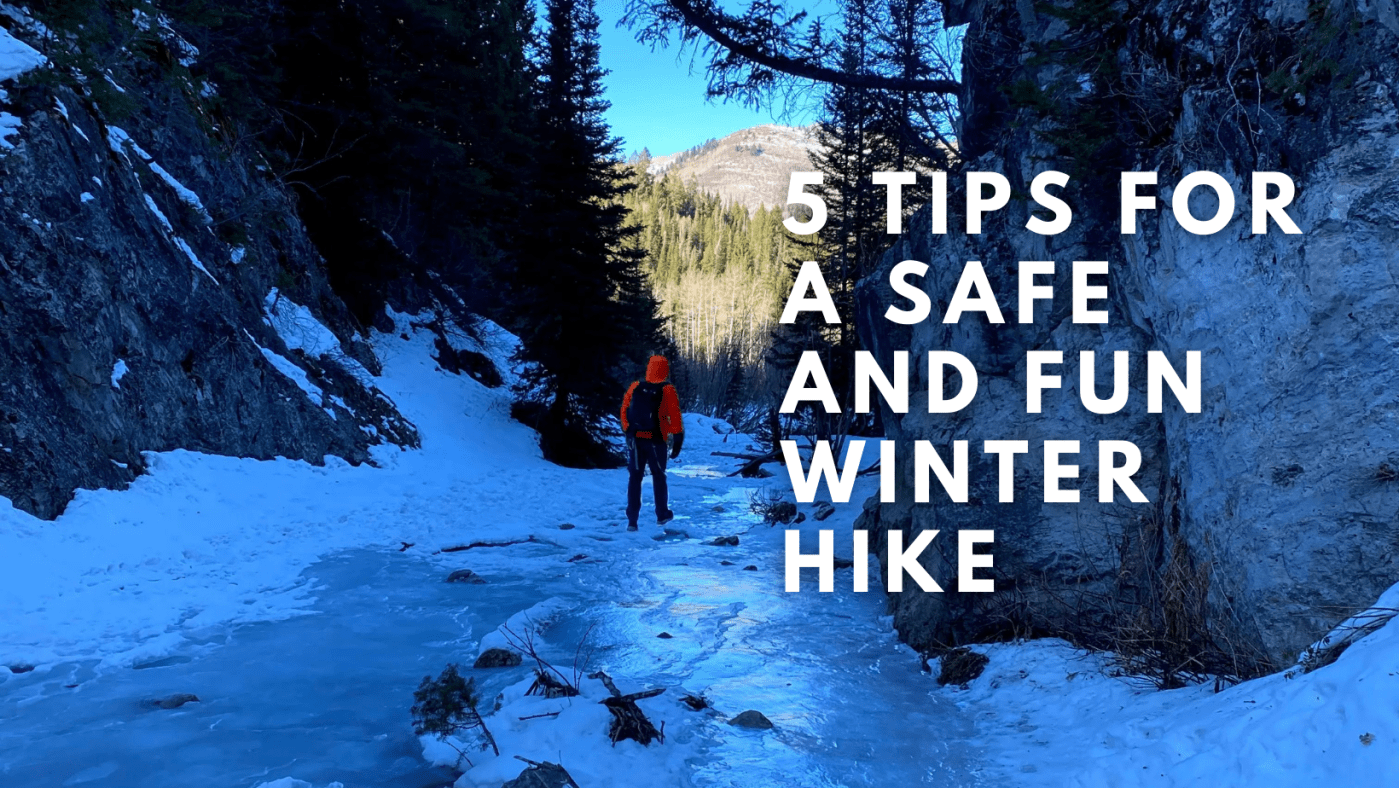
Hey there, fellow adventurers! So, you want to brace the cold and hit the trails this winter? Well, you're in luck because we've got the scoop on how to make your winter hiking experience safely epic! From crazy-cold temps to snowy slopes, we'll dive into the top tips to keep you toasty and trail-ready.
Winter Hiking 101
First things first, winter hiking is a whole different ball game compared to its warmer-weather counterpart. The snow, ice, and freezing temps can be super intimidating, but with the right gear and know-how, you'll be taking on the trails like a pro in no time! So, what makes winter hiking so unique? For starters, the scenic views are simply breathtaking – think snow-covered peaks, frozen waterfalls, and serene landscapes that'll leave you awestruck.
Tip #1: Dress to Impress (and Stay Warm)!
When it comes to winter hiking, layering is key. You'll want to wear breathable, moisture-wicking clothing that'll keep you dry and toasty. Think thermal base layers, insulating mid-layers, and waterproof jackets – the works! And don't forget to add a hat and gloves to the mix, since most of your body heat escapes through your head and hands.
Must Read
- A Quiet Escape In The Suburbs: Visiting Union Pond Conservation Area
- Conquer Manitoulin’s Best View: Cup And Saucer Trail Parking & Trailhead Guide
- 140 Kilometers Of Adventure: Biking The Greater Niagara Circle Route
- Scenic Routes For Every Fitness Level: The Best Walking Trails Niagara Falls Offers
- Eksplorasi The Highest Point Of The Escarpment: Pretty River Provincial Park
But here's a fun fact: did you know that wearing cotton is a big no-no in cold weather? It absorbs moisture, making you colder and more miserable in the long run! So, opt for synthetic fabrics instead, and you'll be golden.
Tip #2: Bring the Right Gear
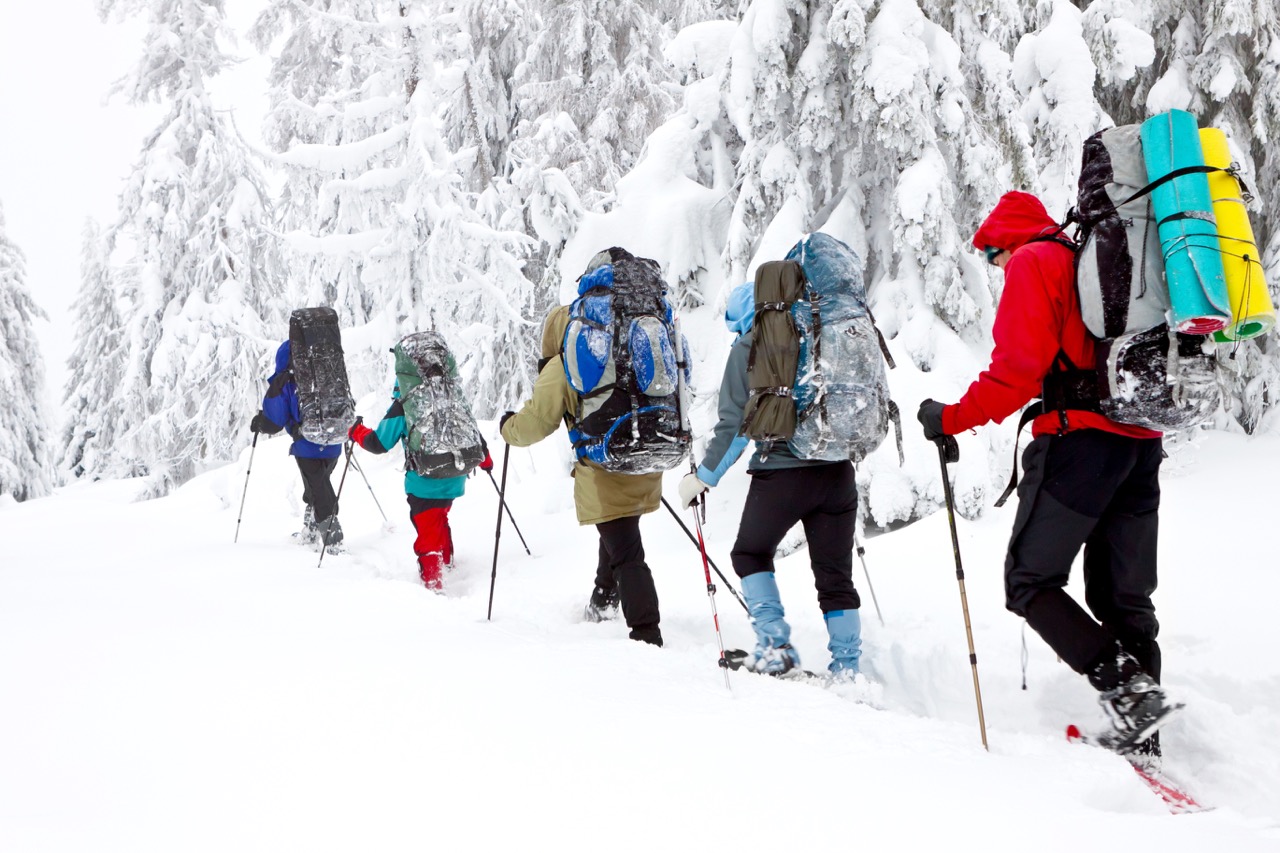
Traction devices like crampons or microspikes are a must-have for icy trails, while gaiters and gators will keep snow and debris out of your boots. And let's not forget poles – they can be a total game-changer for stability and balance on snowy or icy terrain. Just be sure to practice using them before you hit the trails, or you might end up face-planting into a snowbank!

On a more serious note, it's essential to pack the right safety gear, including a first aid kit, headlamp or flashlight, and emergency shelter and warmth – just in case things take a turn for the worse. But hey, being prepared is all part of the adventure, right?
The Fun Stuff!
Winter hiking isn't all about preparation and caution – it's also about having a blast! From snowshoeing to winter camping, there are tons of ways to get creative on the trails. You could even try skiing or snowboarding for a major adrenaline rush! Just remember to respect the terrain and know your limits, or you might end up in a world of trouble.
Tip #3: Know Before You Go
Check the forecast before you head out, and be prepared for changing conditions. Winter weather can be super unpredictable, so it's essential to stay flexible and roll with the punches. And don't forget to let someone know your itinerary, including where you're going and when you plan to return – it's always better to be safe than sorry!
But here's a cool fact: did you know that some animals are more active in winter? Keep an eye out for animal tracks and bird sightings, and you might just spot some amazing winter wildlife! Just be sure to respect their space and keep a safe distance, or you might end up scaring them off.
Tip #4: Find Your Tribe
Hiking with a buddy is always more fun, and in winter, it's even more important for safety reasons. You can keep an eye on each other, share the workload, and enjoy the scenery together. Plus, having a hiking partner can be a great motivator – you'll be more likely to get out there and crush those trails!
And hey, if you're feeling really adventurous, you could even try joining a winter hiking group or finding a hiking club in your area. It's a great way to meet new people who share your passion for the outdoors, and you might even learn some new skills along the way!

Tip #5: Take It Easy
Pace yourself on the trails, and don't be afraid to take breaks. Winter hiking can be physically demanding, especially in deep snow or icy conditions. So, be sure to listen to your body and rest when you need to – it's better to err on the side of caution than to push yourself too hard.
And here's a fun tip: try making snow angels or having a snowball fight to break the tension and get your blood pumping! Just be sure to be respectful of the environment and leave nothing behind but bubbles – we want to preserve the beauty of nature for future generations!
Tip #6: Stay Hydrated and Fueled
It's easy to get dehydrated in cold weather, especially if you're sweating under all those layers. So, be sure to bring plenty of water and eat snacks regularly to keep your energy up. And hey, why not try making some hot cocoa or enjoying a thermos of tea to warm your bones?
But here's a cool fact: did you know that some foods are better than others for cold-weather hiking? Opt for high-calorie, nutrient-dense snacks like nuts, dried fruit, and jerky to keep you going strong. And don't forget to pack some electrolyte-rich snacks to replace lost salts – your body will thank you!
Tip #7: Be Prepared for Emergencies
Know what to do in case of an emergency, and be prepared for the unexpected. From blizzards to injuries, things don't always go as planned. But with the right gear, knowledge, and attitude, you'll be ready for anything that comes your way!
And finally, here's a parting tip: don't be afraid to turn back if conditions get too rough or you're just not feeling it. It's always better to be safe than sorry, and there's no shame in calling it a day if things aren't going as planned. So, get out there, enjoy the winter wonderland, and stay safe – happy trails, friends!