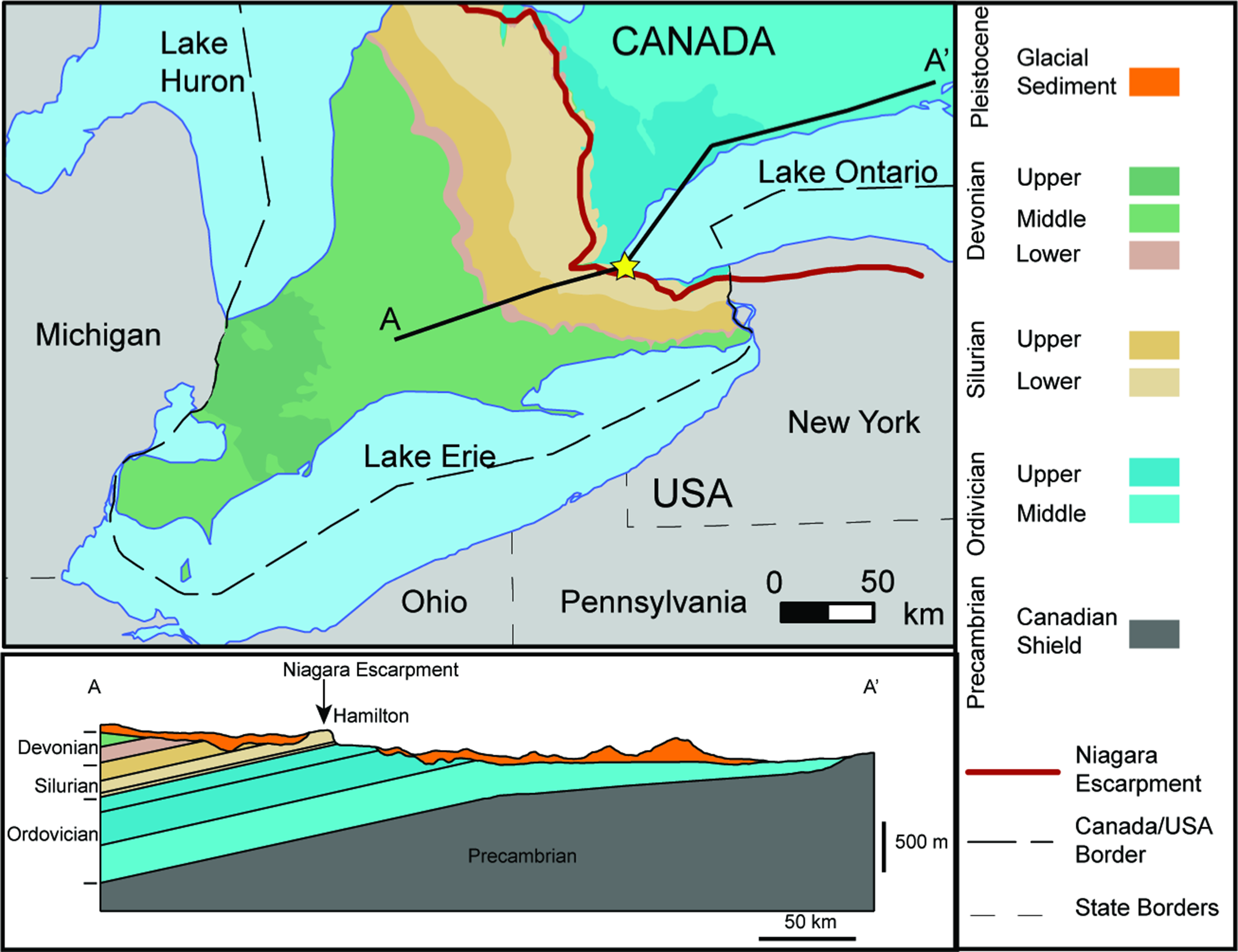
How Was The Niagara Escarpment Formed

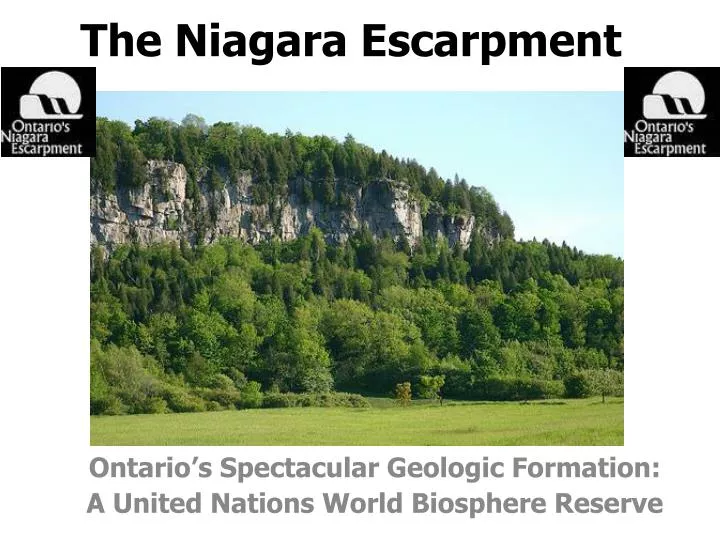
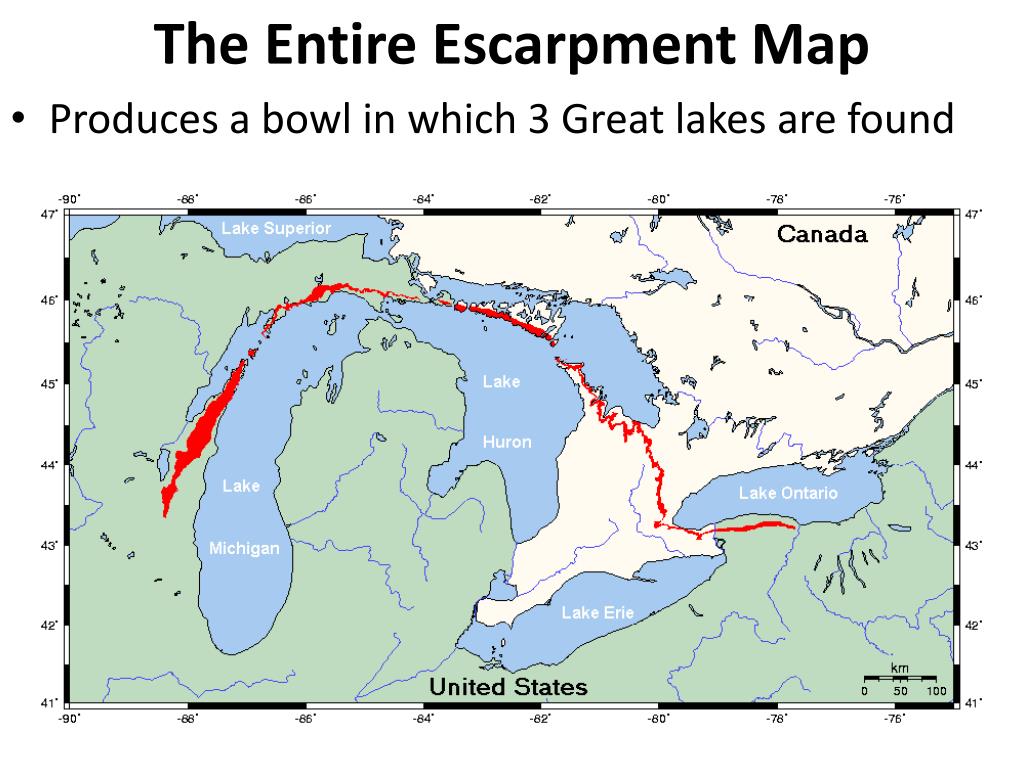
Imagine standing at the edge of a 400-million-year-old wall of rock, feeling the rush of the wind and the mist of water on your face. This isn't just any rock formation - it's the Niagara Escarpment, a natural wonder that stretches over 1,100 kilometers from New York to Ontario. But have you ever wondered how this incredible landscape was formed?
A journey through time
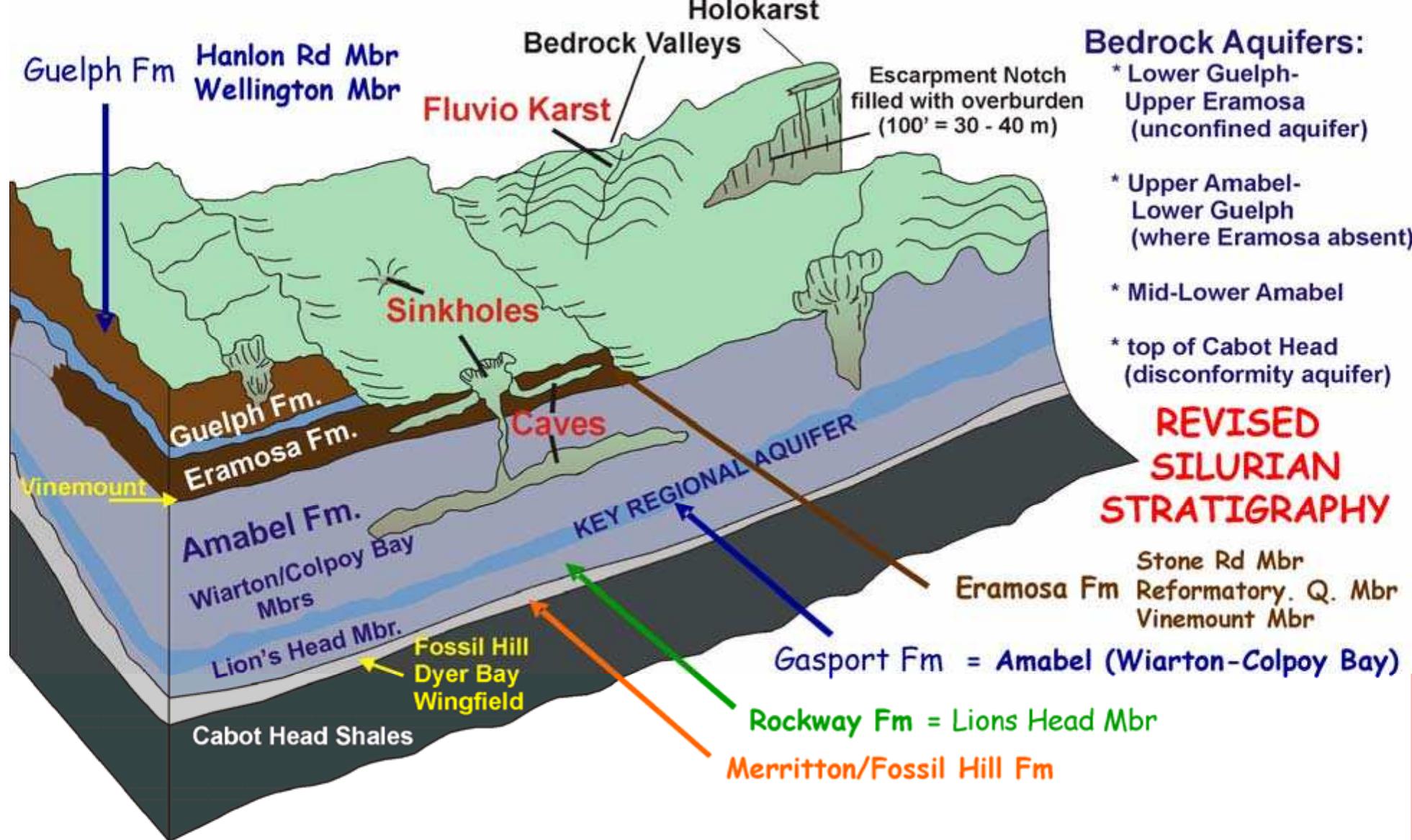
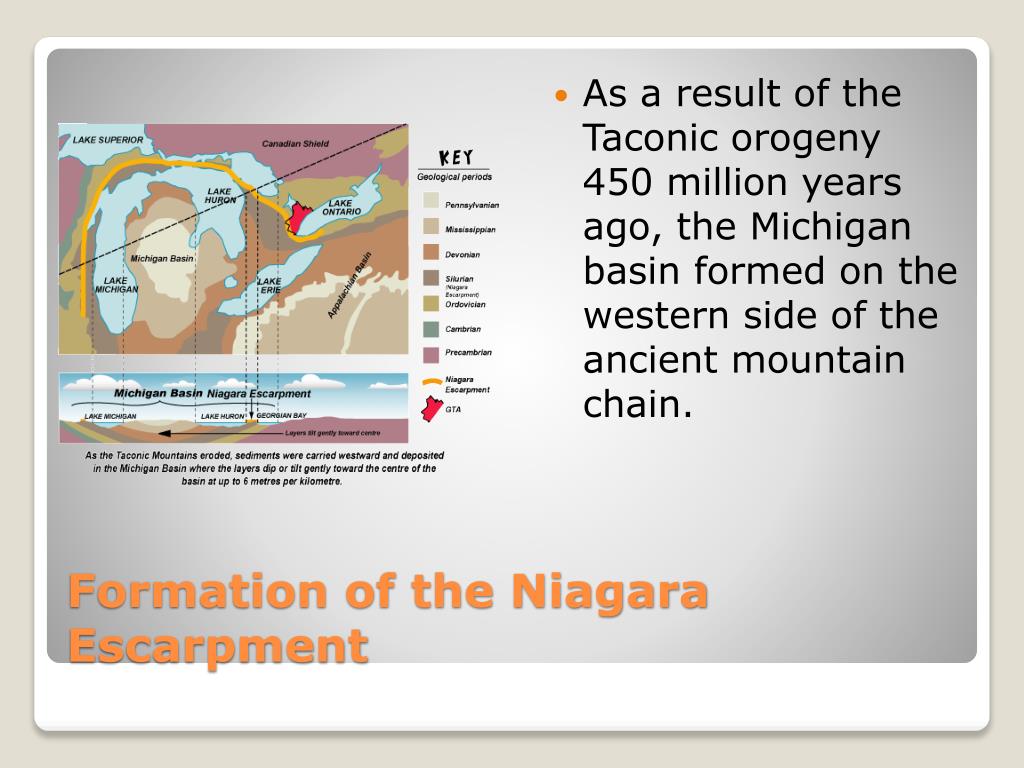
Let's travel back in time, to an era when the supercontinent of Pangaea was still intact. The Niagara Escarpment was formed during the Silurian Period, when the sea covered much of the continent. Over time, layers of sedimentary rock - like limestone and dolostone - were deposited on the sea floor. These layers were compressed and cemented together, creating a thick, sturdy foundation.
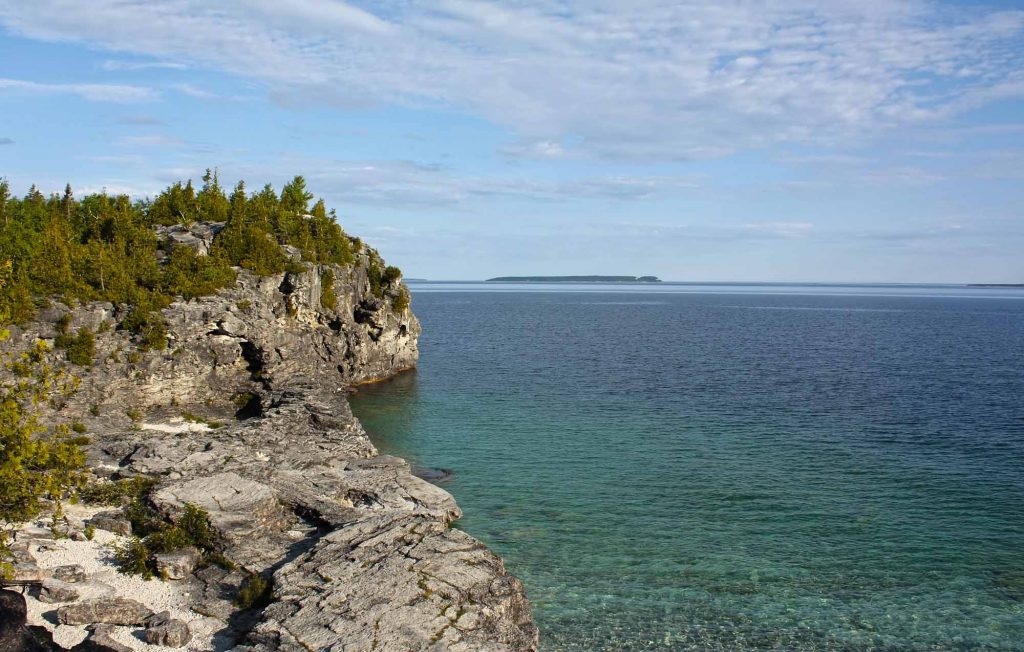
As the sea level fluctuated, the rock layers were exposed to the elements, and erosion began to shape the landscape. The wind and water wore away the softer rocks, while the harder rocks remained, forming a resistant cap. This cap would eventually become the backbone of the Niagara Escarpment.
Must Read
- A Quiet Escape In The Suburbs: Visiting Union Pond Conservation Area
- Conquer Manitoulin’s Best View: Cup And Saucer Trail Parking & Trailhead Guide
- 140 Kilometers Of Adventure: Biking The Greater Niagara Circle Route
- Scenic Routes For Every Fitness Level: The Best Walking Trails Niagara Falls Offers
- Eksplorasi The Highest Point Of The Escarpment: Pretty River Provincial Park
The Niagara Escarpment is like a giant, rocky wave, frozen in time. It's a testament to the incredible forces that have shaped our planet over millions of years.
The power of ice and water
Fast-forward to the Pleistocene Epoch, when glaciers scoured the landscape, carving out valleys and creating lakes. The ice sheets advanced and retreated, leaving behind a trail of glacial debris. As the glaciers melted, the water flowed, creating rivers and waterfalls that further shaped the Niagara Escarpment.

The most famous of these waterfalls is, of course, Niagara Falls. This breathtaking wonder is a result of the escarpment being eroded by the constant flow of water. The falls have retreated over 11 kilometers since the last ice age, and they continue to shape the landscape to this day.
Geologists estimate that the Niagara Escarpment is still rising, at a rate of about 1-2 millimeters per year. That's slower than a snail's pace, but it's a reminder that the Earth's surface is always in motion, always changing.
A natural wonder
Today, the Niagara Escarpment is a beloved destination for
The Niagara Escarpment is a treasure trove of natural and cultural history. It's a place where you can walk in the footsteps of indigenous peoples, early settlers, and geologists, all while surrounded by the breathtaking beauty of nature.
In the end, the Niagara Escarpment is a reminder that our planet is full of wonders waiting to be discovered. Whether you're a geology buff, a nature lover, or just someone who appreciates the beauty of the Earth, the Niagara Escarpment is a must-see destination. So come and explore this incredible landscape, and discover the secrets that lie within its ancient, rocky walls.