Woodland Guide: Identifying The Beautiful Trees Of Southern Ontario
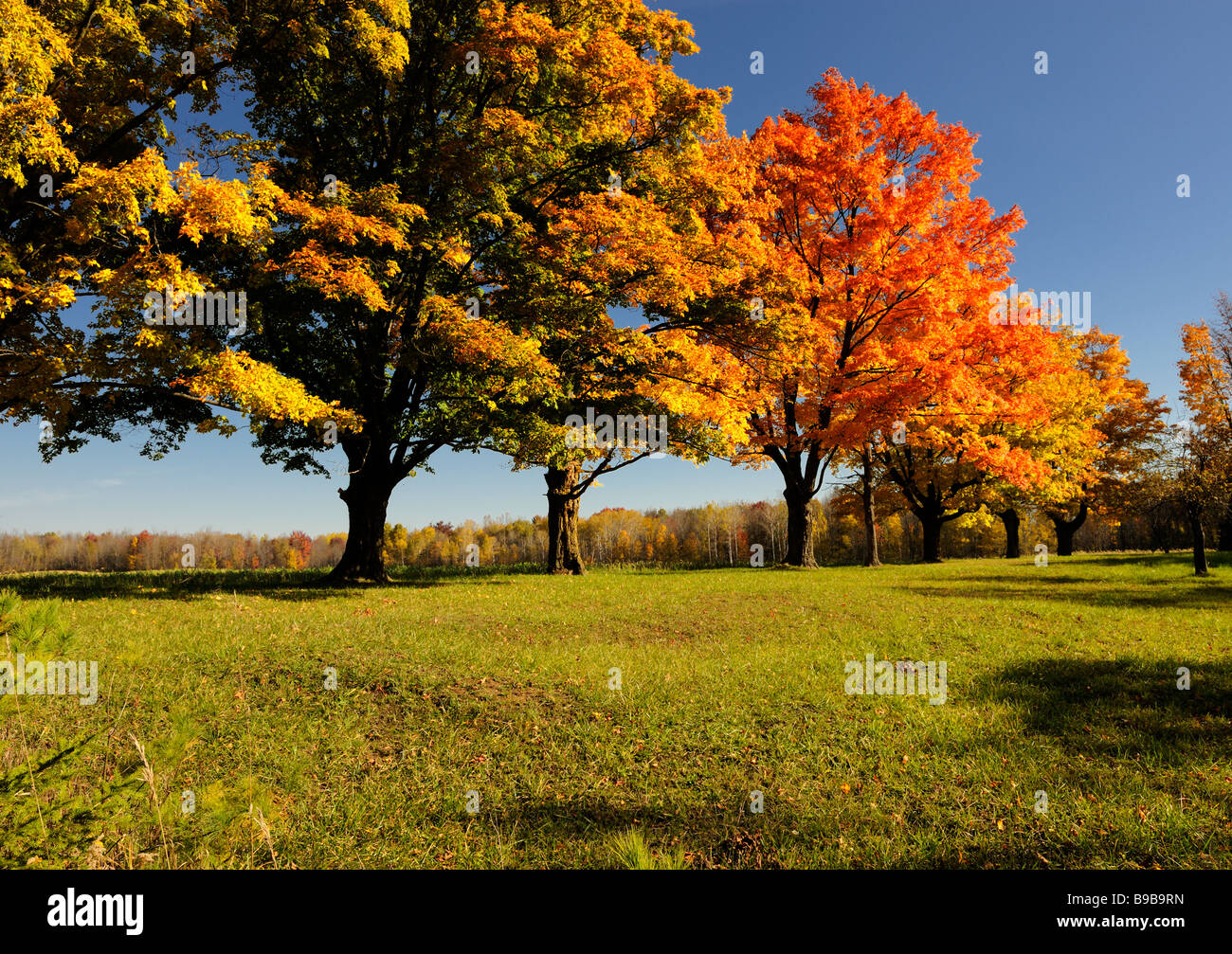
As we wander through the woodlands of Southern Ontario, it's hard not to be struck by the beauty and diversity of the trees that surround us. From the towering maples to the delicate birches, each species has its own unique characteristics and stories to tell. Learning to identify these trees is not only a fun and rewarding hobby, but it can also deepen our appreciation for the natural world and help us to better understand the ecosystems that support us.
The purpose of a woodland guide is to provide a comprehensive introduction to the trees of Southern Ontario, including their identification features, habitat preferences, and ecological roles. By learning to identify the different species of trees, we can gain a greater understanding of the complex relationships between trees, other plants, and animals in the forest. This knowledge can be invaluable in a variety of contexts, from education and conservation to recreation and land management.
For example, students can use a woodland guide to learn about the biology and ecology of trees, while hikers and nature enthusiasts can use it to enhance their appreciation for the natural beauty of the forest. Landowners and foresters can also use a woodland guide to identify tree species and make
Must Read
- A Quiet Escape In The Suburbs: Visiting Union Pond Conservation Area
- Conquer Manitoulin’s Best View: Cup And Saucer Trail Parking & Trailhead Guide
- 140 Kilometers Of Adventure: Biking The Greater Niagara Circle Route
- Scenic Routes For Every Fitness Level: The Best Walking Trails Niagara Falls Offers
- Eksplorasi The Highest Point Of The Escarpment: Pretty River Provincial Park
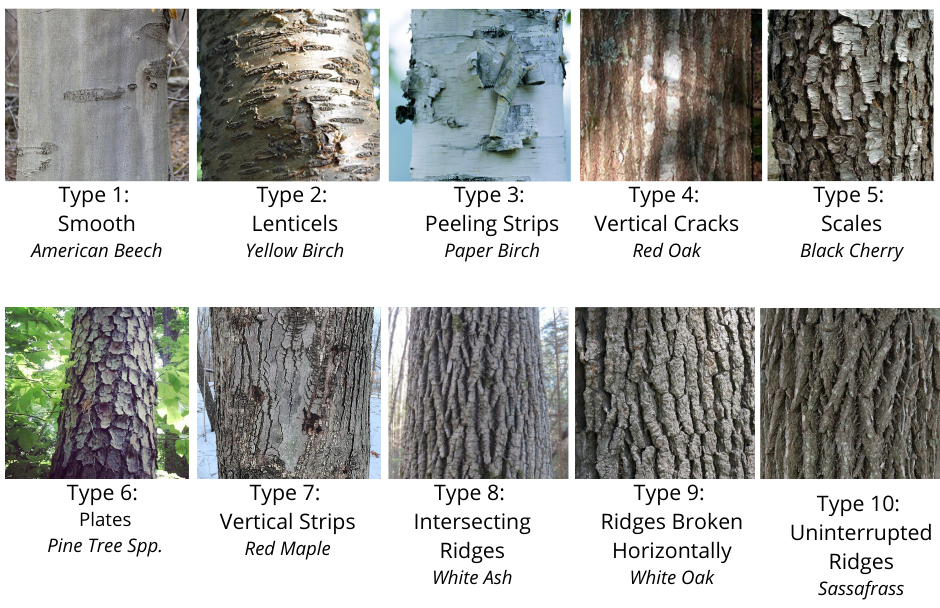
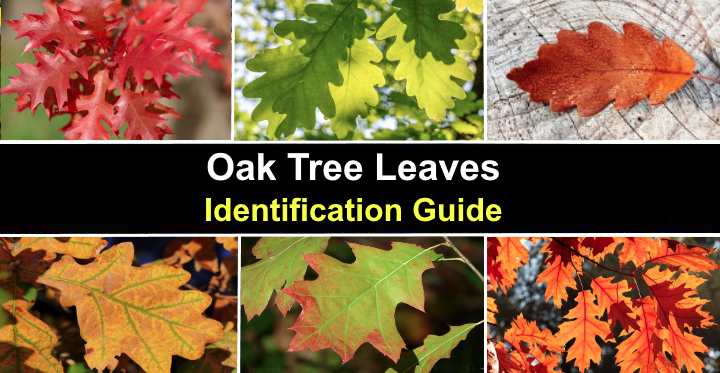
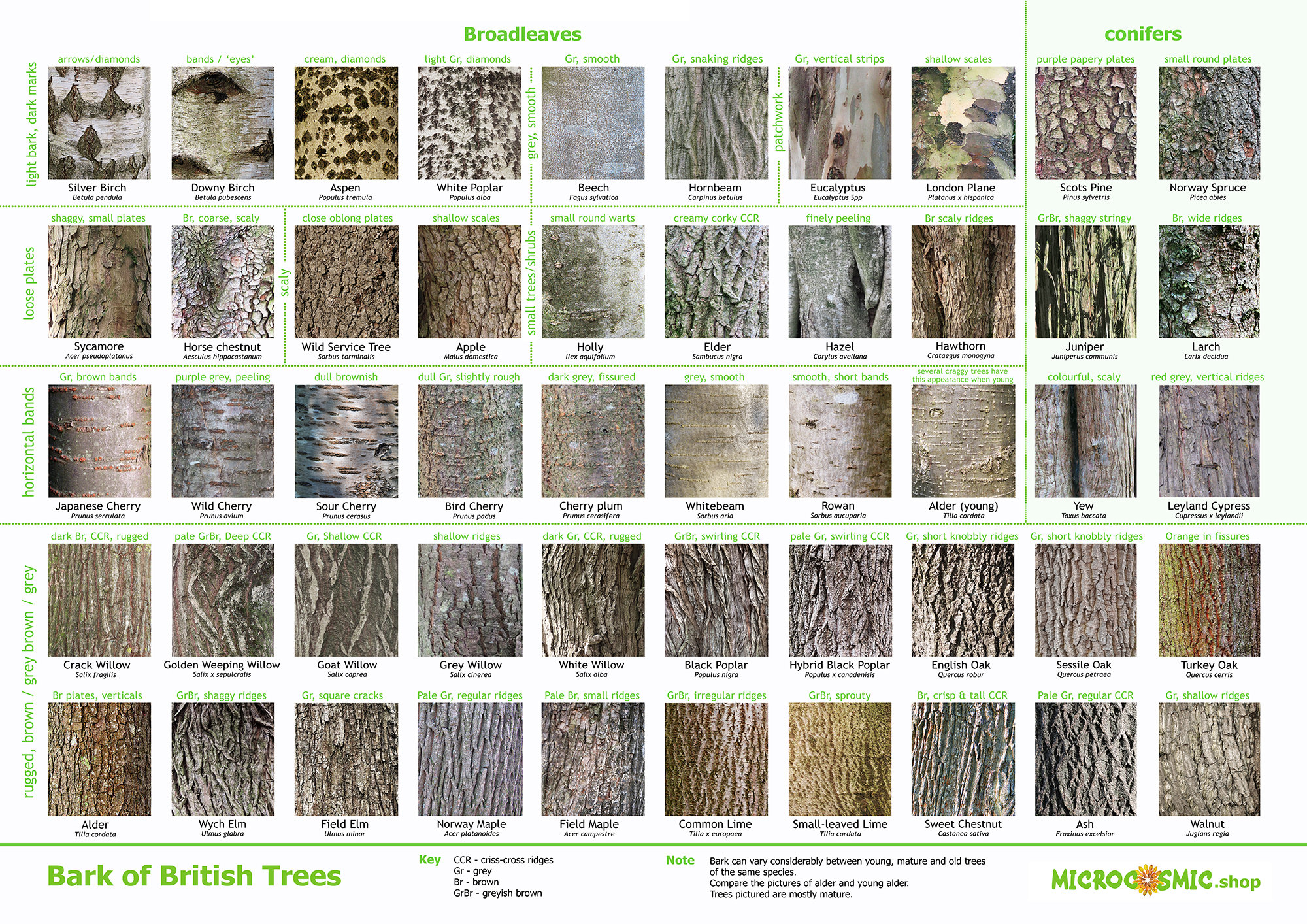
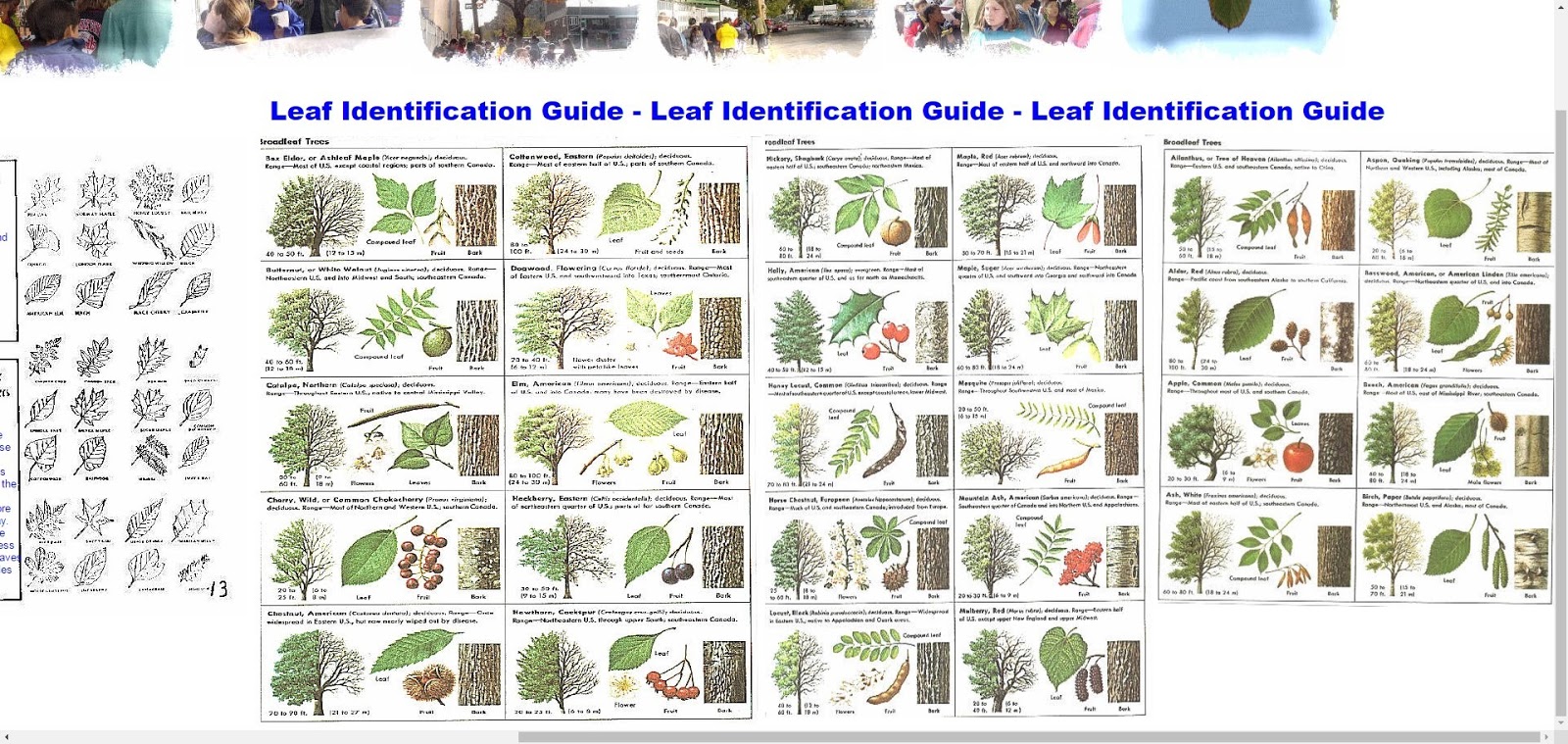
To get started with identifying the trees of Southern Ontario, there are several practical tips to keep in mind. First, it's essential to observe the overall shape and size of the tree, as well as the shape and arrangement of its leaves. It's also important to examine the bark, twigs, and cones or fruits of the tree, as these can provide valuable clues to its identity. Additionally, learning to recognize the different types of leaves, such as needles, scales, and broad leaves, can help to narrow down the possibilities and make identification easier.

A simple way to explore the world of tree identification is to start with a guided walk or nature tour, where an experienced guide can introduce you to the different species of trees and provide expert advice on how to identify them. You can also try using a field guide or smartphone app to help you learn about the trees you encounter. Whatever your approach, the key is to be curious and open-minded, and to enjoy the process of discovery and exploration.
By learning to identify the beautiful trees of Southern Ontario, we can deepen our connection to the natural world and appreciate the beauty and diversity of the forest. Whether you're a seasoned naturalist or just starting to explore the world of trees, a woodland guide can be a valuable companion on your journey of discovery. So why not get started today, and see where the journey takes you?


:max_bytes(150000):strip_icc()/identification-of-the-most-common-hardwoods-1341843_FINAL-f8ab5f0119c947c1a4fac6f1add8dd60.png)