Ticks In Southern Ontario
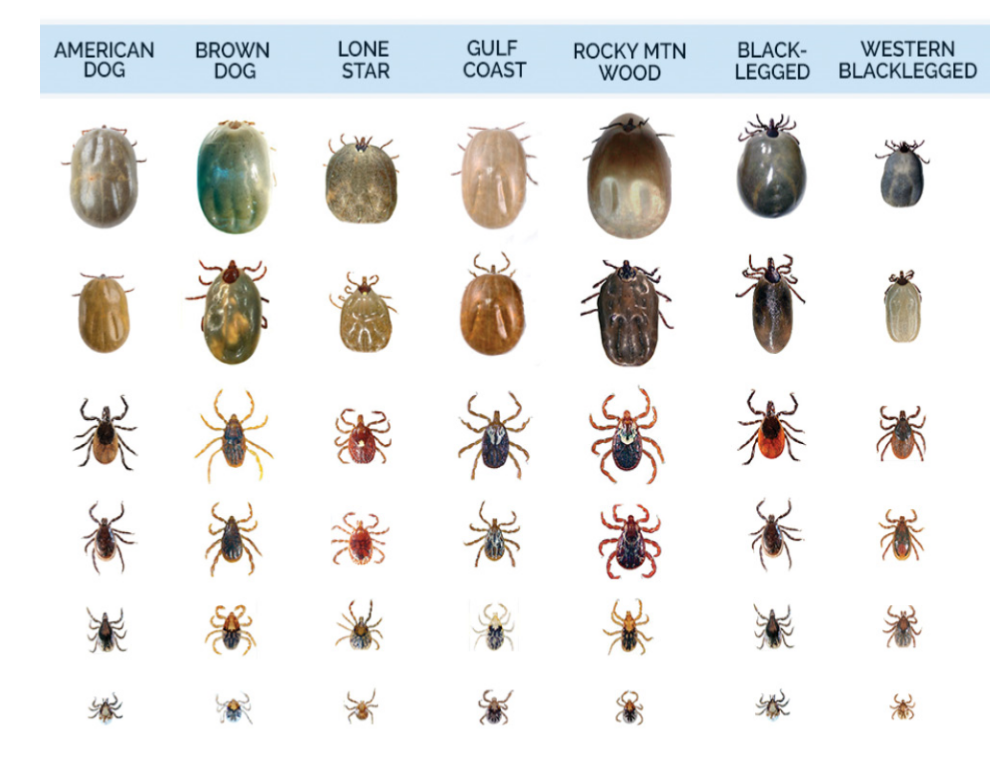
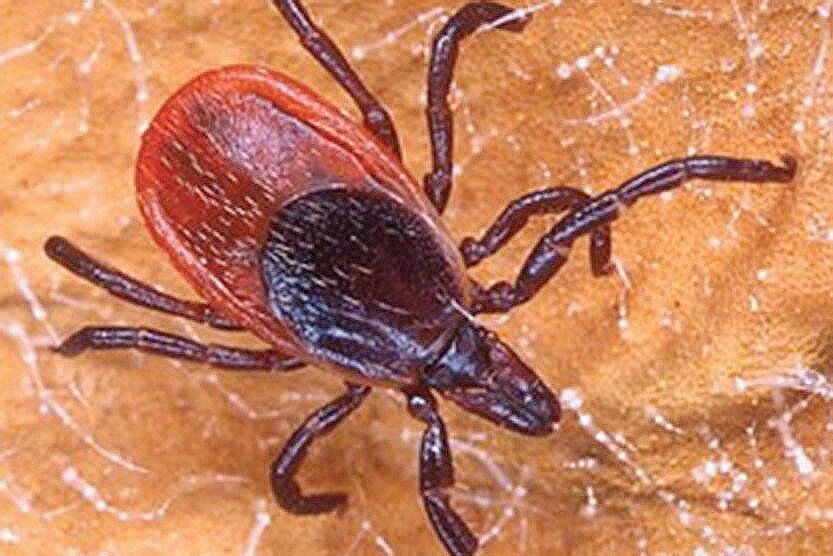
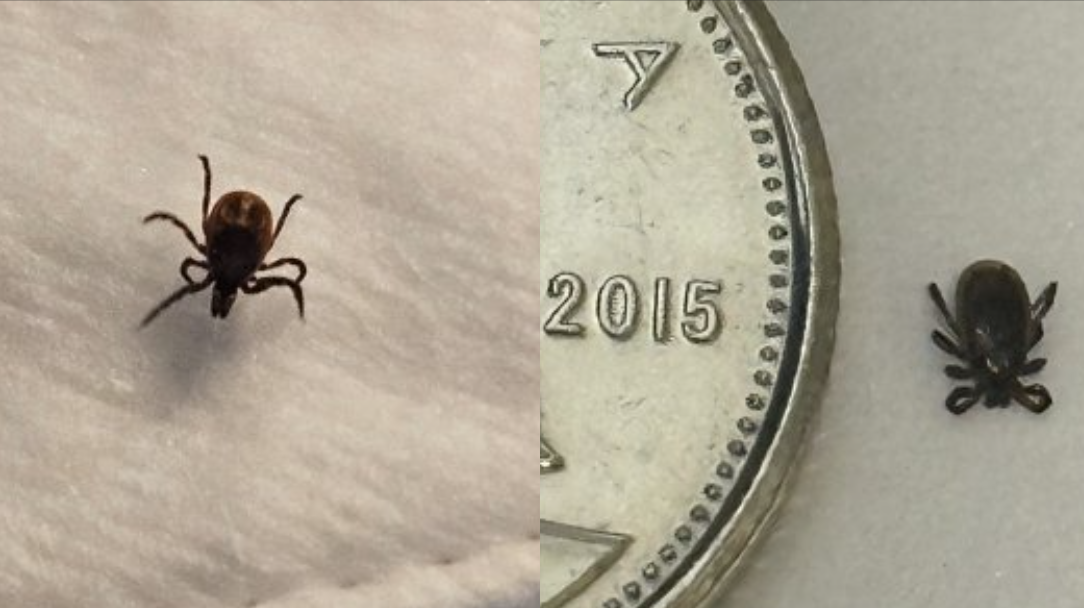
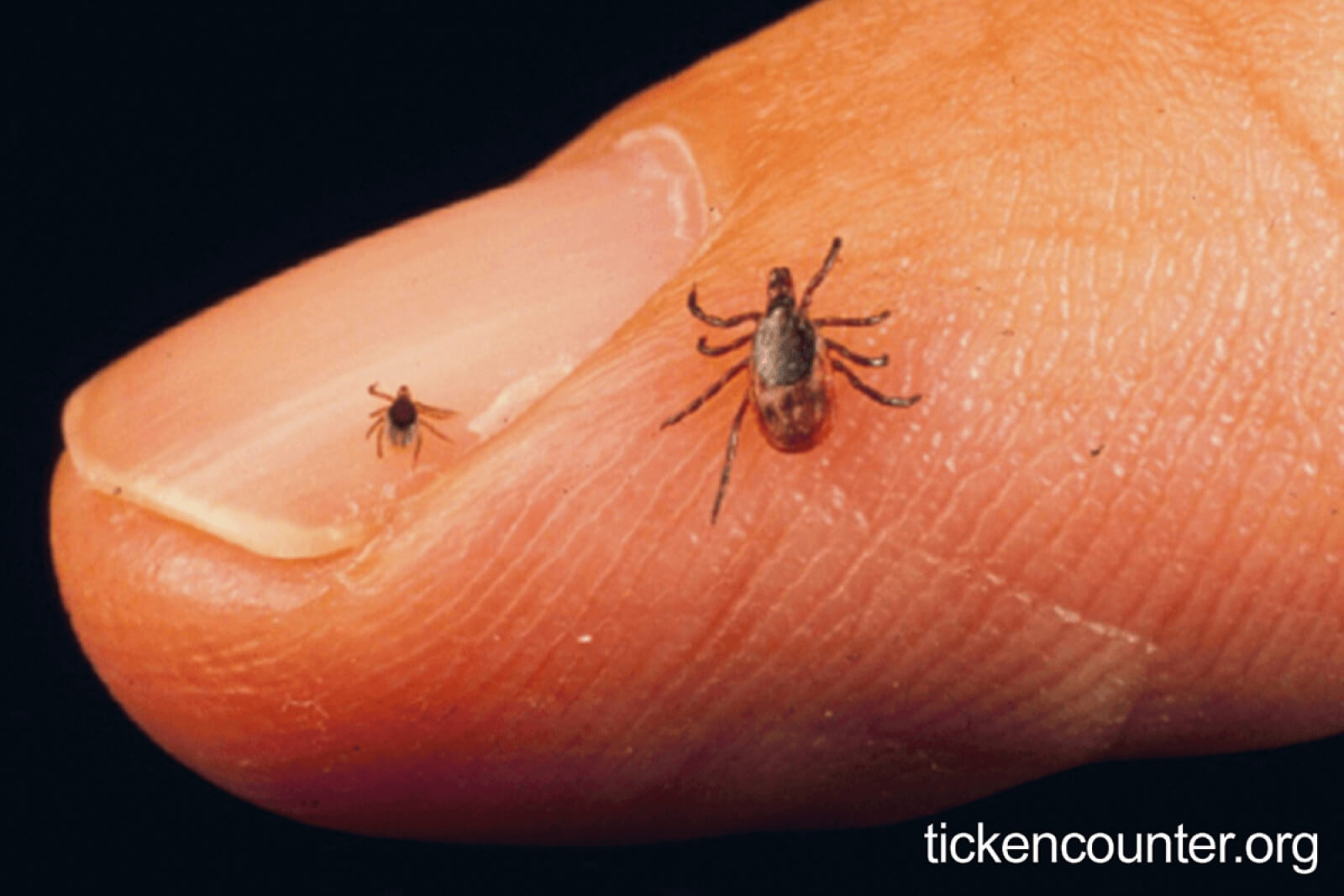
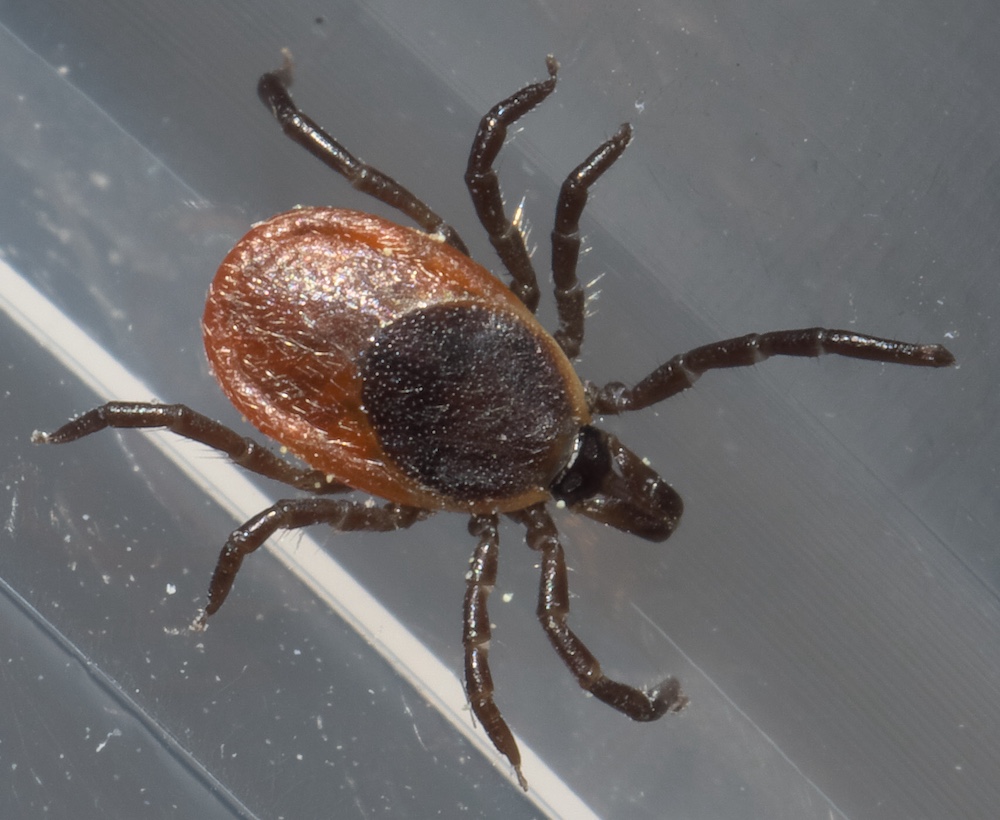
Ticks in Southern Ontario are a growing concern for residents and outdoor enthusiasts alike. These tiny arachnids are not only a nuisance, but they can also transmit Lyme disease, a debilitating illness that can have long-term effects on a person's health. To understand the risks and take preventive measures, it's essential to delve into the biology and behavior of ticks. IXodes scapularis, the blacklegged tick, is the primary species responsible for transmitting Lyme disease in Southern Ontario. These ticks have a three-stage life cycle: larva, nymph, and adult, with each stage requiring a blood meal to survive.
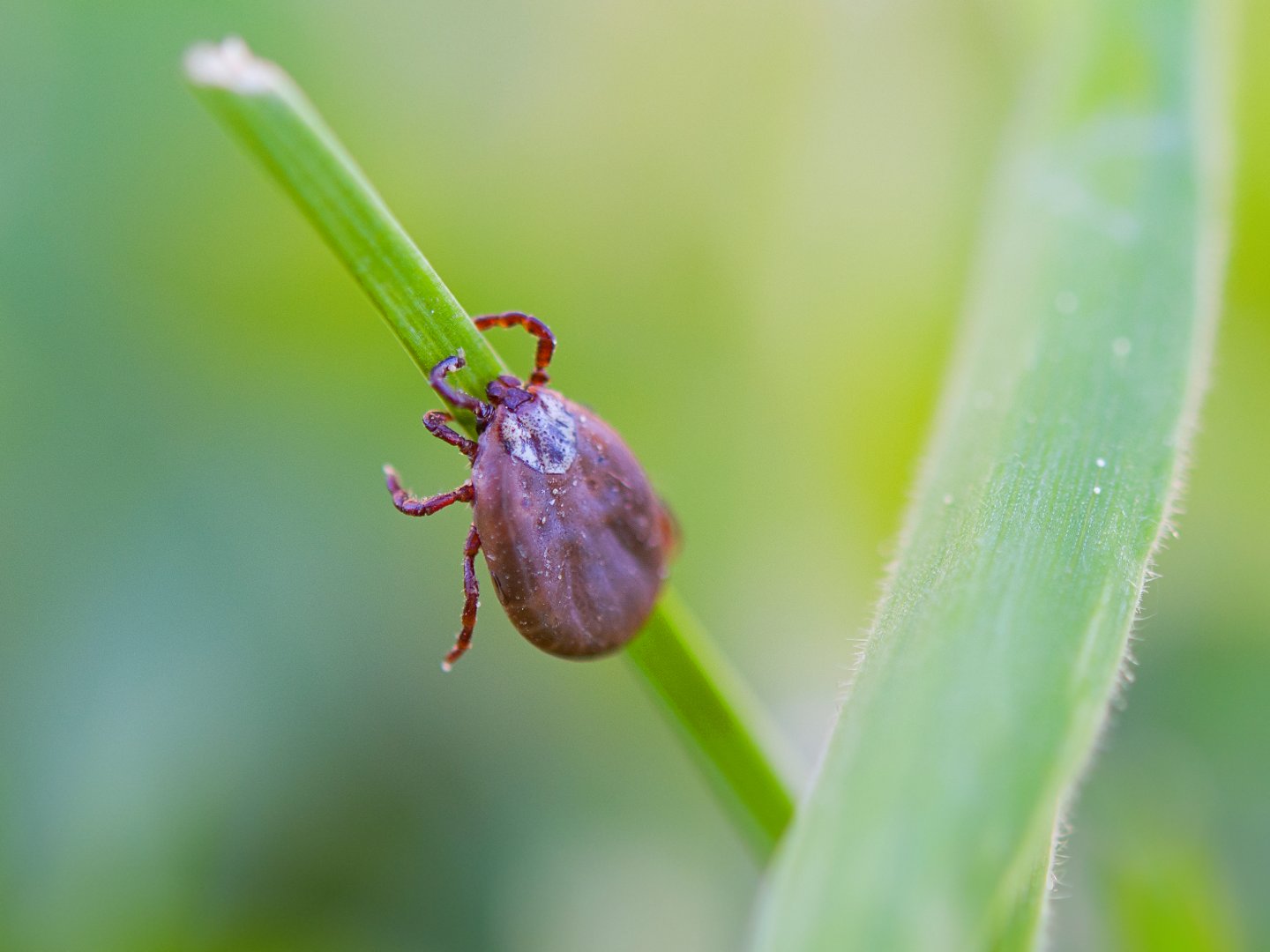
During their life cycle, ticks undergo a process called questing, where they attach themselves to vegetation and wait for a host to pass by. This behavior allows them to efficiently locate and feed on unsuspecting animals and humans. Ticks are attracted to carbon dioxide, heat, and moisture, which are all emitted by mammals. By understanding these attractants, individuals can take proactive steps to minimize their risk of encountering ticks. For example, avoiding areas with high grass and leaf litter, wearing protective clothing, and using permethrin-treated gear can significantly reduce the likelihood of tick bites.
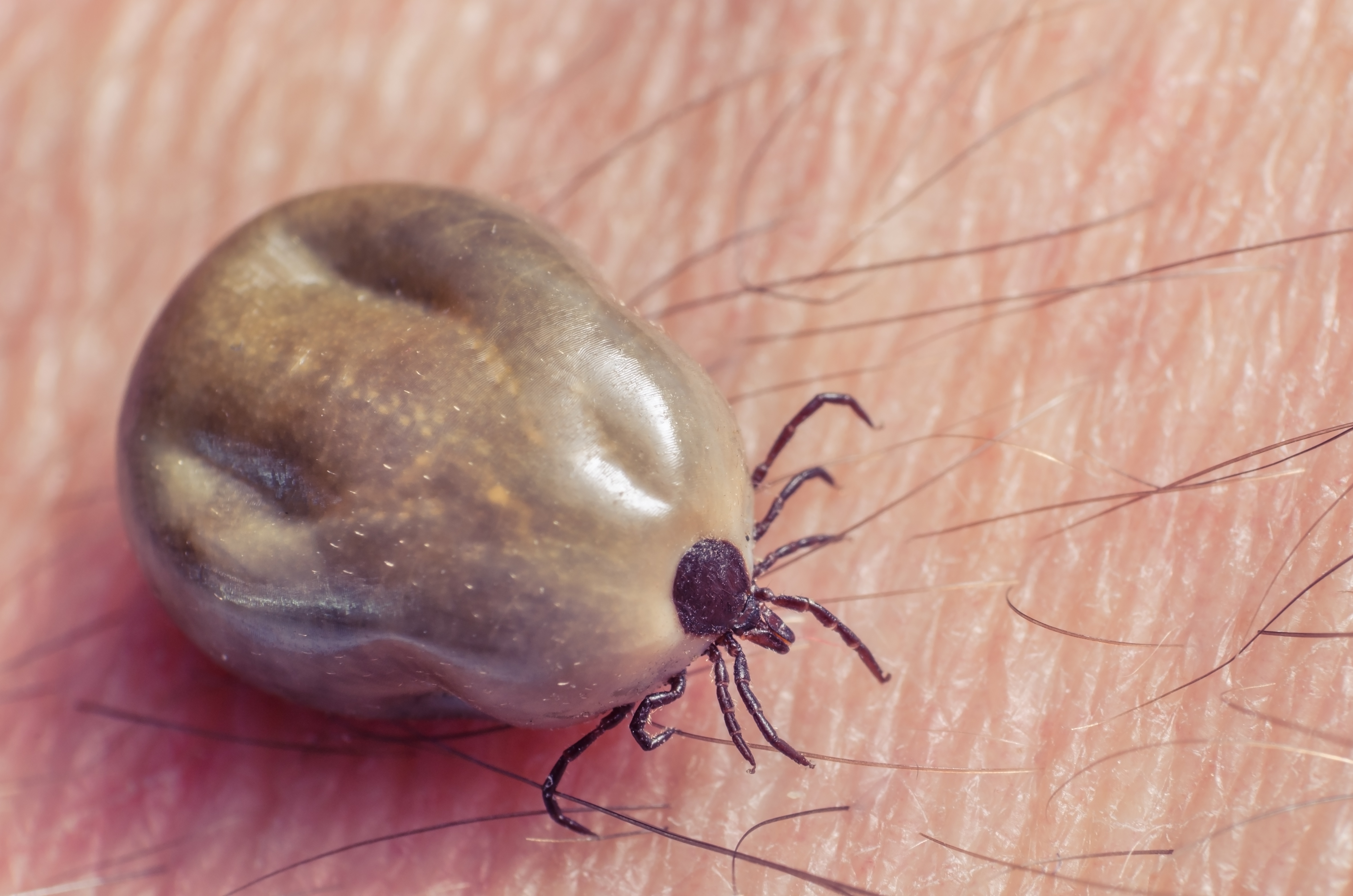
Another crucial aspect of tick biology is their feeding behavior. Ticks can feed on a host for several days, during which time they can transmit Borrelia burgdorferi, the bacteria responsible for Lyme disease. The risk of transmission increases the longer the tick is attached, making prompt removal essential. By recognizing the signs of a tick bite, such as a bull's-eye rash or flu-like symptoms, individuals can seek medical attention and reduce the risk of long-term complications.
Must Read
- A Quiet Escape In The Suburbs: Visiting Union Pond Conservation Area
- Conquer Manitoulin’s Best View: Cup And Saucer Trail Parking & Trailhead Guide
- 140 Kilometers Of Adventure: Biking The Greater Niagara Circle Route
- Scenic Routes For Every Fitness Level: The Best Walking Trails Niagara Falls Offers
- Eksplorasi The Highest Point Of The Escarpment: Pretty River Provincial Park
Tick Ecology and Behavior
Ticks thrive in environments with high humidity and temperate temperatures. Southern Ontario's climate, with its warm summers and cold winters, provides an ideal environment for ticks to survive and reproduce. The region's deciduous forests and woodland edges are particularly suitable for tick habitats, as they offer an abundance of hosts and shelter. Understanding these ecological factors can help individuals anticipate and prepare for tick encounters.
The population dynamics of ticks in Southern Ontario are influenced by various factors, including climate change, habitat fragmentation, and host abundance. As the climate continues to warm, ticks are expanding their range and increasing their populations, leading to a higher risk of encounters with humans. By recognizing these trends, individuals can take proactive steps to mitigate the risks associated with tick bites. For example, landscape management techniques, such as maintaining a tidy yard and removing leaf litter, can help reduce tick populations.
Ticks also have a complex relationship with their hosts. They can transmit a range of diseases, including Anaplasmosis and Babesiosis, in addition to Lyme disease. By understanding the co-evolutionary history of ticks and their hosts, researchers can develop more effective strategies for controlling tick populations and preventing disease transmission. For instance, vaccination programs targeting specific tick-borne diseases can help reduce the risk of infection.
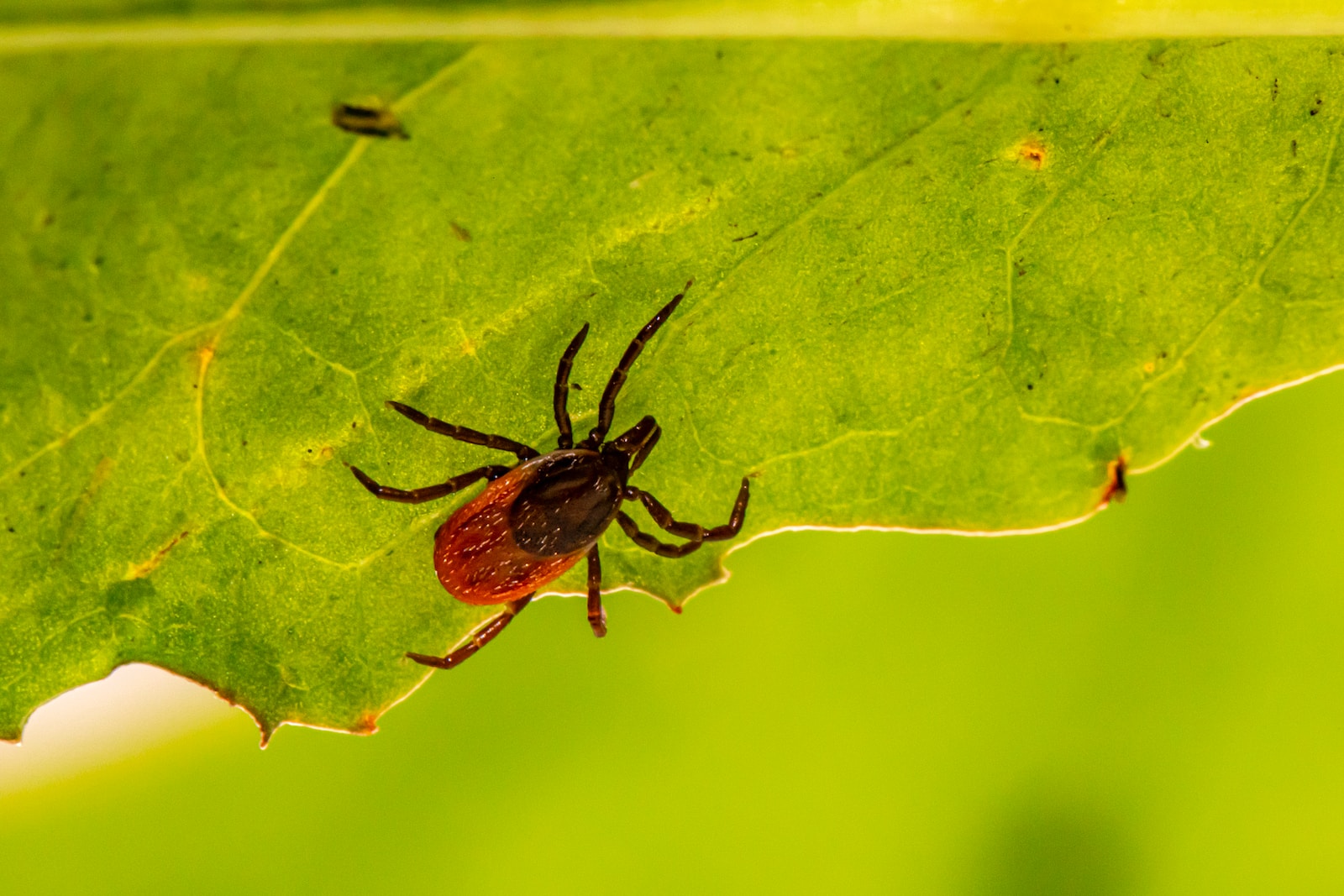
The diel activity patterns of ticks, which refer to their daily activity cycles, also play a crucial role in determining the risk of encounters. Ticks are most active during the warmest part of the day, typically between 10 am and 4 pm, when they are more likely to be questing for hosts. By avoiding outdoor activities during these peak hours, individuals can minimize their risk of tick encounters.
Practical Strategies for Tick Prevention
To minimize the risk of tick bites, individuals can employ several preventive measures. Wearing protective clothing, such as long-sleeved shirts and pants, can help prevent ticks from attaching to the skin. Using insect repellents containing DEET or picaridin can also help deter ticks. Additionally, conducting regular tick checks after spending time outdoors can help identify and remove attached ticks before they can transmit diseases.
Creating a tick-free zone around the home is another effective strategy for reducing the risk of tick encounters. This can be achieved by removing leaf litter, mowing grass regularly, and creating a barrier between wooded areas and the yard. By taking these proactive steps, individuals can significantly reduce the risk of tick bites and associated diseases.
When venturing into tick-prone areas, individuals can use permethrin-treated gear to repel and kill ticks. This can include treating clothing, backpacks, and other outdoor gear with permethrin sprays or wash-in treatments. By incorporating these strategies into their daily routine, individuals can minimize their risk of tick encounters and enjoy the outdoors with confidence.
For individuals who spend extended periods outdoors, such as hikers or campers, it's essential to take additional precautions. Using tick repellents specifically designed for outdoor use, such as permethrin-treated clothing or insect repellent wipes, can help prevent tick bites. Regularly inspecting gear and showering after outdoor activities can also help reduce the risk of tick encounters.
Frequently Asked Questions
What are the most effective ways to remove an attached tick?
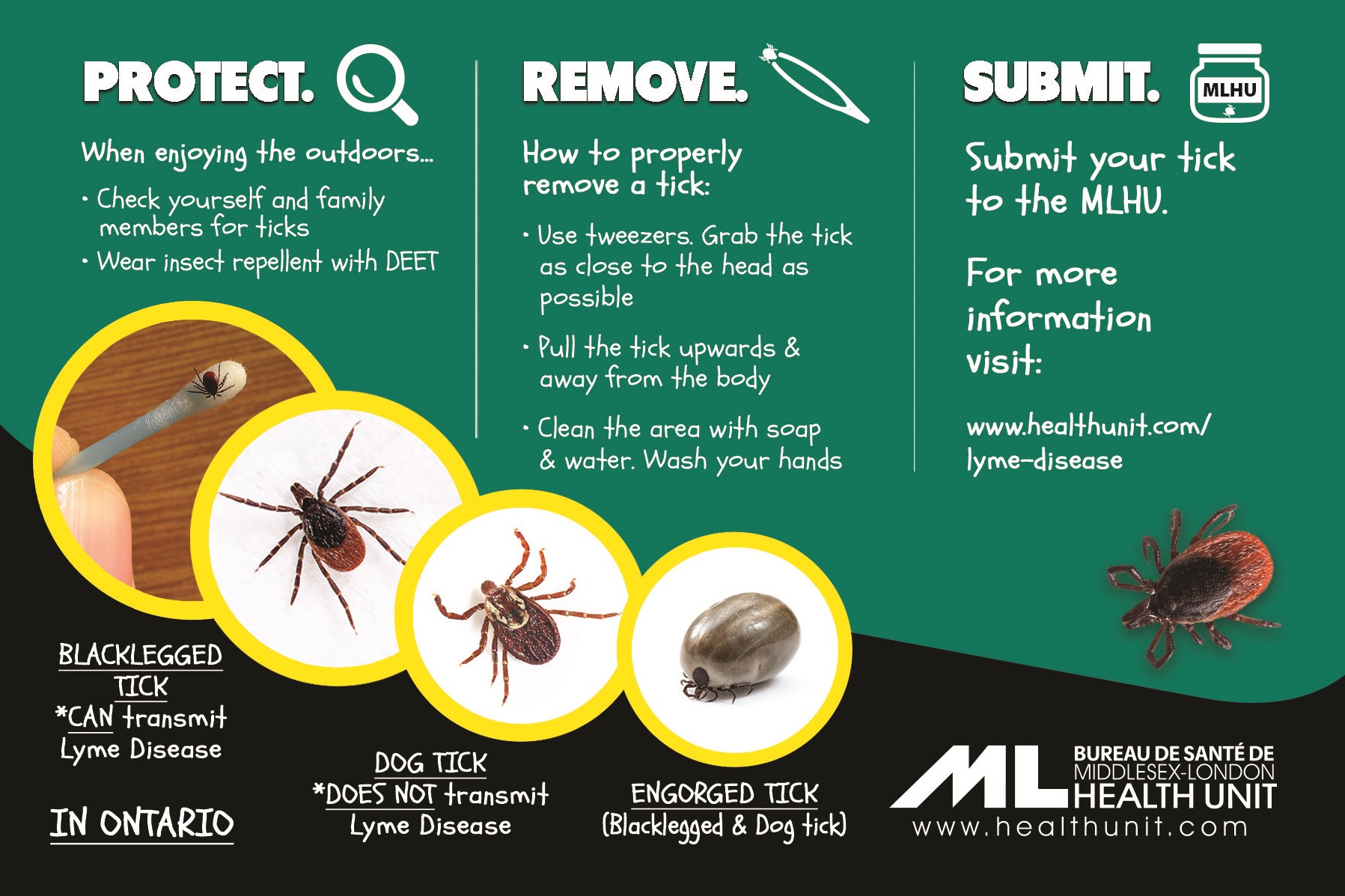
Removing an attached tick promptly and correctly is essential to minimizing the risk of disease transmission. The most effective method for removing a tick is to use fine-tipped tweezers to grasp the tick as close to the skin as possible. Then, pull upward with steady, even pressure until the tick is removed. It's essential to avoid using home remedies such as heat or vaseline to remove ticks, as these can cause the tick to regurgitate saliva and increase the risk of disease transmission.

After removing the tick, it's crucial to clean the bite area with soap and water and apply an antibiotic ointment to reduce the risk of infection. If the tick is removed incorrectly or if symptoms persist, it's essential to seek medical attention. A healthcare professional can assess the risk of disease transmission and provide guidance on prevention and treatment.
How can I determine if I have contracted a tick-borne disease?
If an individual suspects they have contracted a tick-borne disease, it's essential to seek medical attention promptly. A healthcare professional can conduct a physical examination and review medical history to determine the risk of disease transmission. They may also order laboratory tests to confirm the presence of a tick-borne disease. Common symptoms of tick-borne diseases include fever, headache, and muscle or joint pain.
Early diagnosis and treatment are critical for effective management of tick-borne diseases. If left untreated, these diseases can lead to long-term complications and disability. By seeking medical attention promptly and following the recommended treatment plan, individuals can minimize the risk of long-term effects and ensure a full recovery.

What are the most effective ways to prevent tick bites in pets?
Pets, particularly dogs, are susceptible to tick bites and can transmit diseases to their owners. To prevent tick bites in pets, it's essential to use topical tick preventatives or tick collars specifically designed for pets. These products can help repel and kill ticks, reducing the risk of disease transmission.
Regularly inspecting pets for ticks and removing any attached ticks promptly can also help prevent disease transmission. Additionally, vaccinating pets against tick-borne diseases can provide an added layer of protection. By taking these precautions, pet owners can help protect their pets and reduce the risk of tick-borne diseases in their household.
By respecting the science behind tick biology and behavior, individuals can take proactive steps to minimize their risk of tick encounters and associated diseases. By understanding the ecological factors that influence tick populations and the strategies for preventing tick bites, individuals can enjoy the outdoors with confidence. By applying these preventive measures and seeking medical attention when necessary, individuals can reduce the risk of long-term complications and ensure a healthy and active lifestyle.
In conclusion, ticks in Southern Ontario are a growing concern that requires attention and proactive measures. By understanding the biology and behavior of ticks, individuals can take empowered steps to minimize their risk of tick encounters and associated diseases. By applying these strategies and respecting the science behind tick biology, individuals can enjoy the outdoors while minimizing their risk of tick-borne diseases. With the right knowledge and precautions, individuals can optimize their outdoor experiences and reduce the risk of tick encounters, ensuring a healthy and enjoyable lifestyle.