Identifying Trees In Ontario

As we step out into the beautiful Ontario wilderness, it's easy to get caught up in the majesty of the towering trees that surround us. For many, identifying trees is a fun and rewarding hobby that allows us to connect with nature on a deeper level. But beyond its recreational value, tree identification also serves an important purpose in our everyday lives. By being able to recognize the different species of trees, we can better understand and appreciate the complex ecosystems that they inhabit, and even contribute to conservation efforts aimed at preserving these ecosystems for future generations.
The benefits of tree identification are numerous. For one, it can help us to appreciate the beauty and diversity of the natural world around us. Whether we're walking through a forest, visiting a park, or simply looking out our window, being able to identify the different types of trees can add a whole new layer of depth and meaning to our experiences. Additionally, tree identification can also be practically useful, for example, in landscaping and gardening, where knowing the characteristics of different tree species can help us to make informed decisions about which trees to plant and how to care for them.
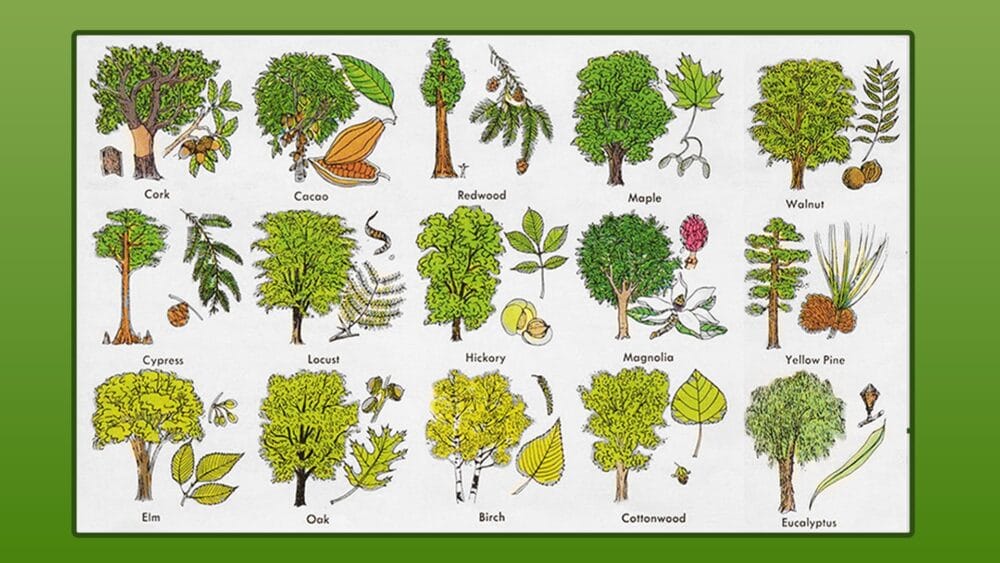
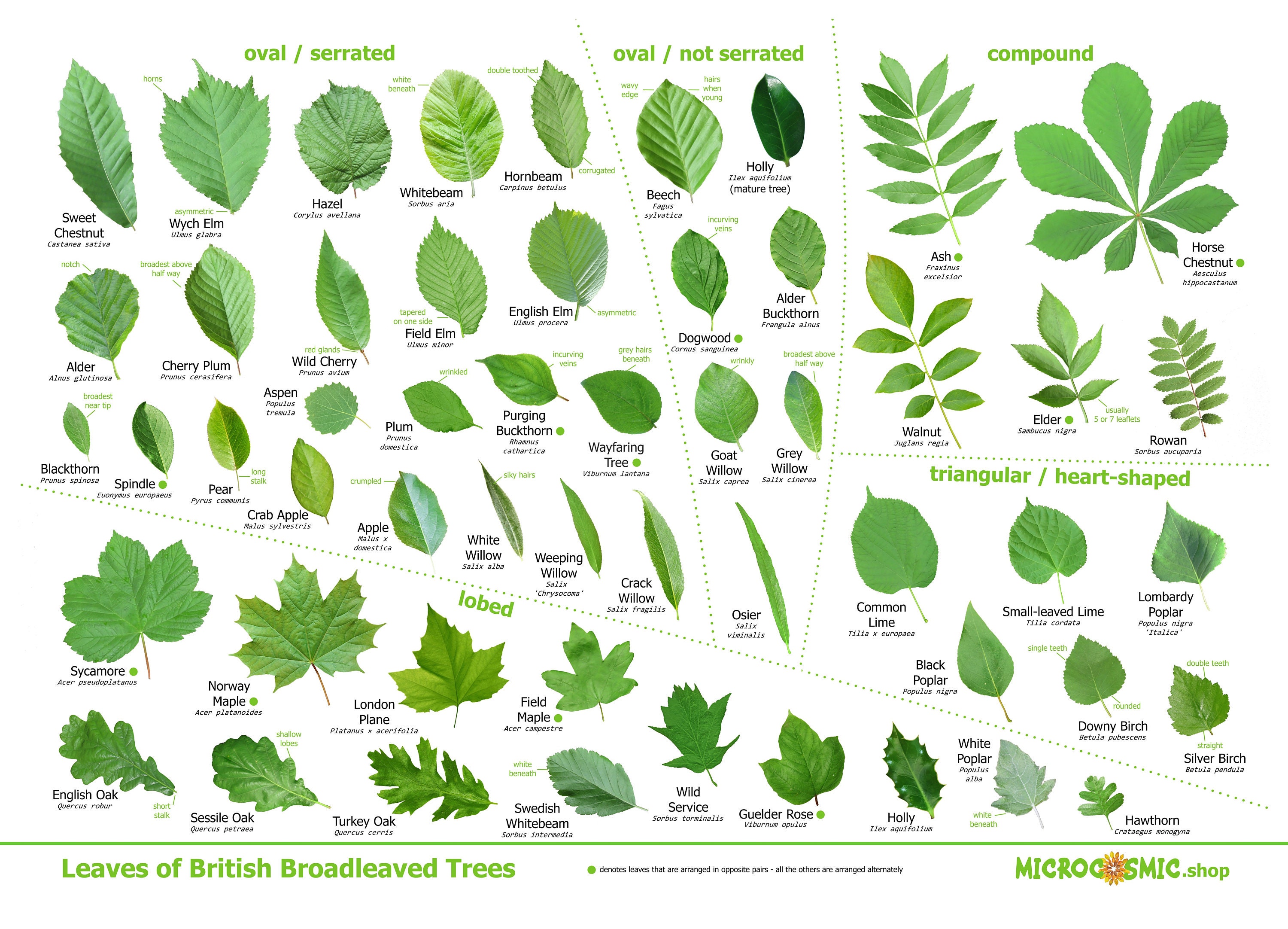
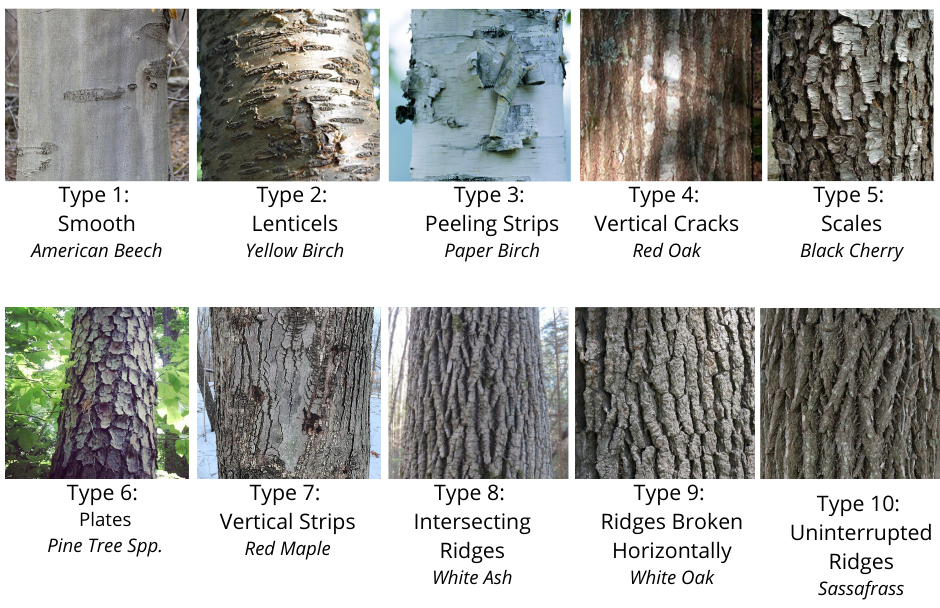
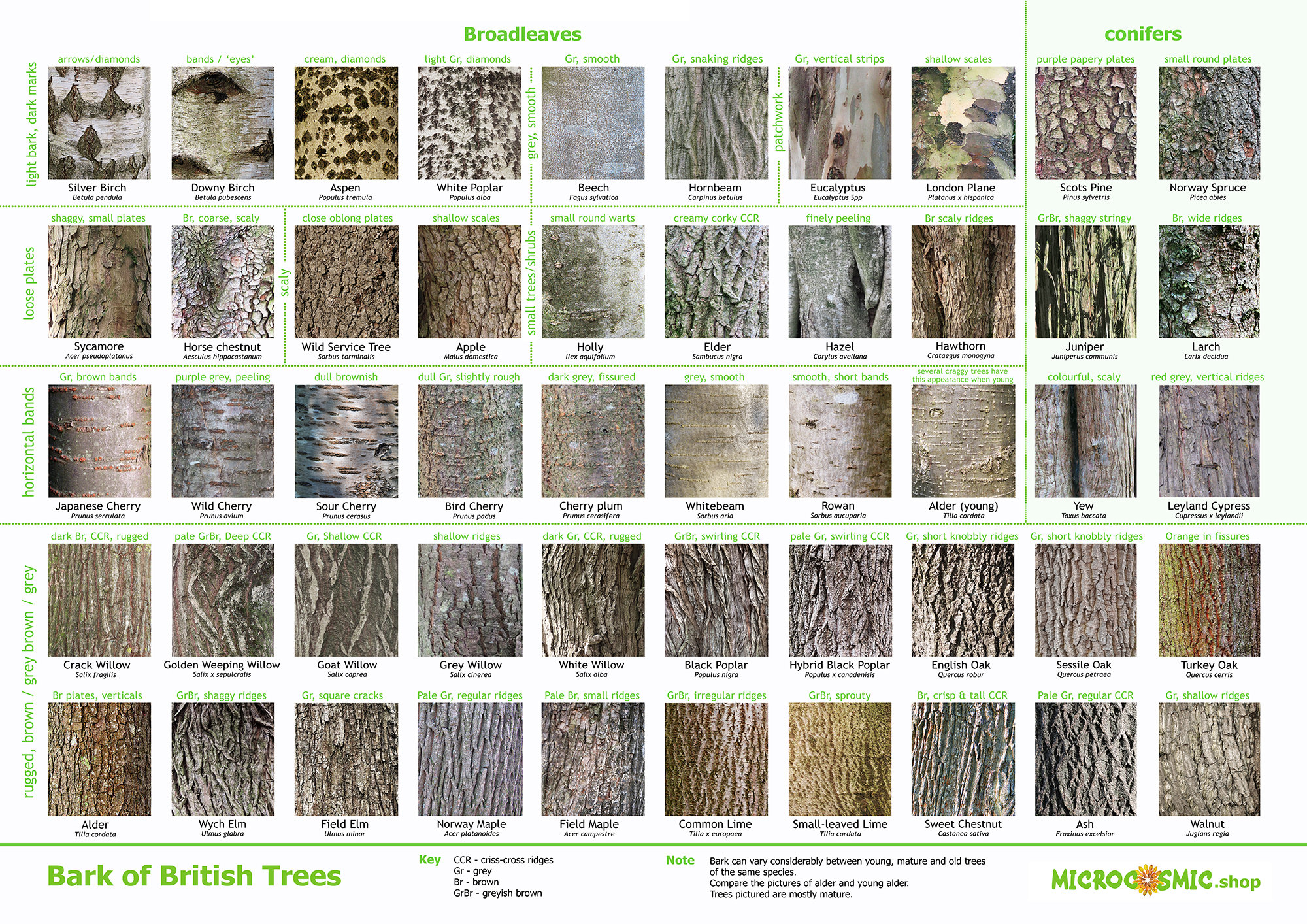
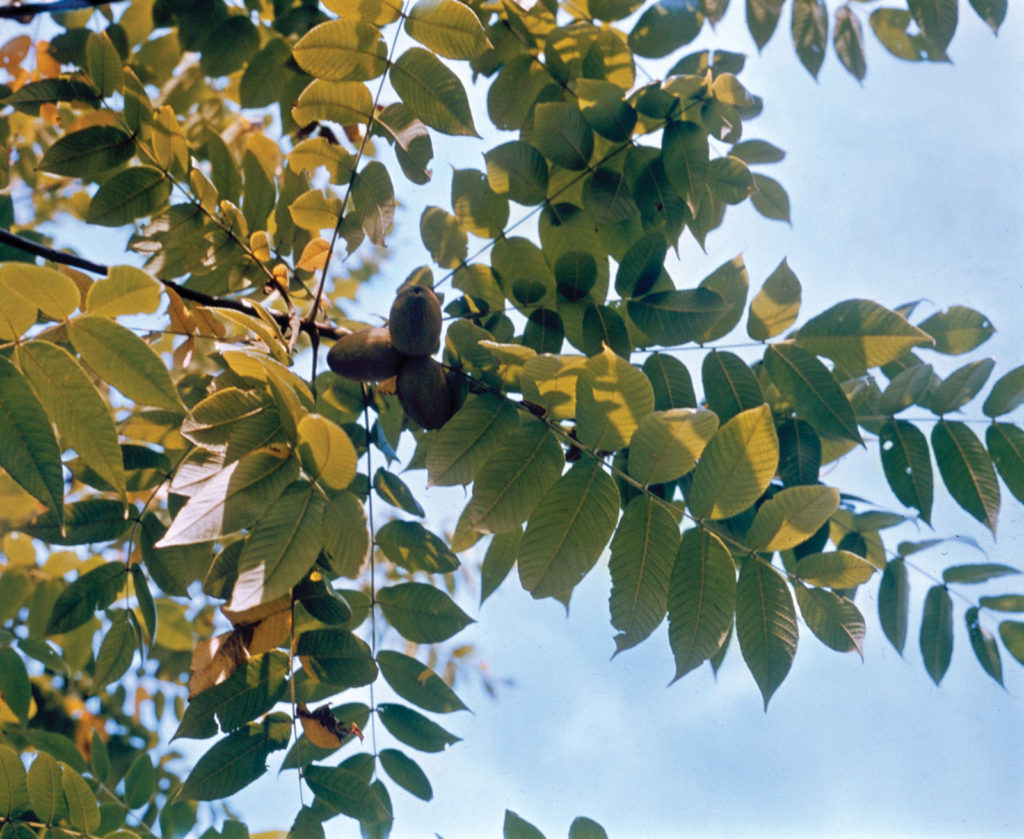
So, how do we get started with identifying trees in Ontario? One common way to begin is by looking at the overall shape and size of the tree. For example, the Sugar Maple is known for its broad, spreading canopy, while the Eastern White Pine has a tall, columnar shape. We can also look at the leaves of the tree, which can be a great way to identify different species. For instance, the Red Maple has leaves with three to five lobes, while the Blue Spruce has needles that are square in cross-section. Other characteristics, such as the bark and cones of the tree, can also be used to help with identification.
Must Read
- A Quiet Escape In The Suburbs: Visiting Union Pond Conservation Area
- Conquer Manitoulin’s Best View: Cup And Saucer Trail Parking & Trailhead Guide
- 140 Kilometers Of Adventure: Biking The Greater Niagara Circle Route
- Scenic Routes For Every Fitness Level: The Best Walking Trails Niagara Falls Offers
- Eksplorasi The Highest Point Of The Escarpment: Pretty River Provincial Park
For those looking to improve their tree identification skills, there are several resources available. One great place to start is with field guides, which can provide detailed information and photographs to help with identification. We can also take guided tours or workshops, which can provide hands-on experience and expert instruction. Additionally, there are many online resources available, including websites and apps that can help us to identify trees using photographs and other characteristics.
To enjoy tree identification more effectively, it's a good idea to start with the basics. This means learning about the different types of trees that are found in Ontario, as well as the characteristics that are used to identify them. We can also practice, practice, practice, by getting out into the field and trying to identify the trees that we see. It's also a good idea to keep a journal or take notes, which can help us to track our progress and record our findings. By following these tips, and with a little practice and patience, we can become proficient in identifying trees in Ontario, and gain a deeper appreciation for the natural world around us.