Hiking In The Winter
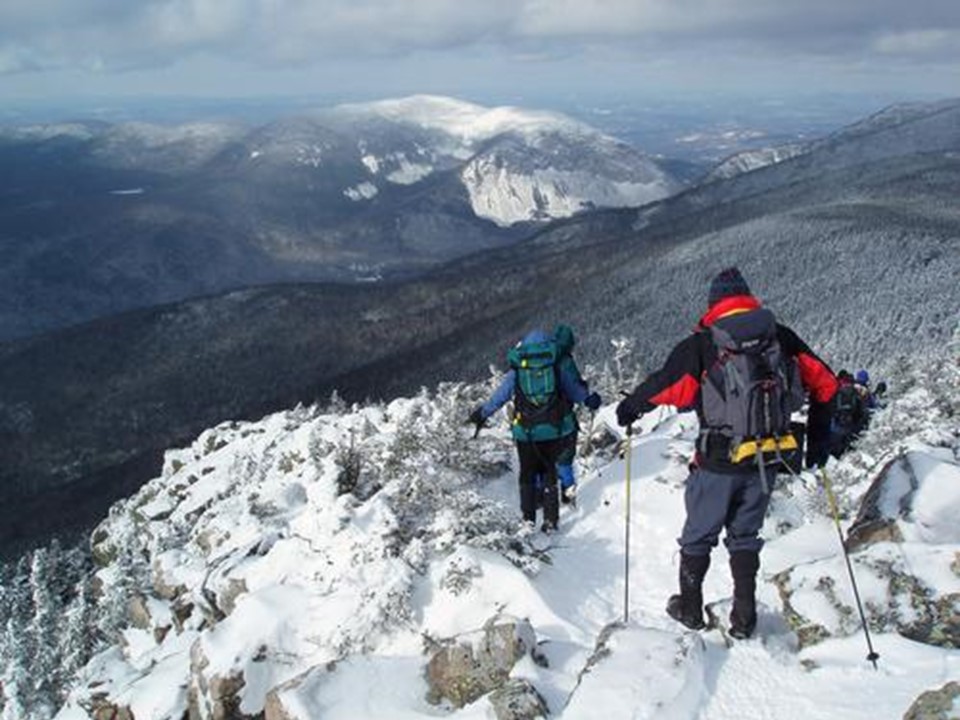
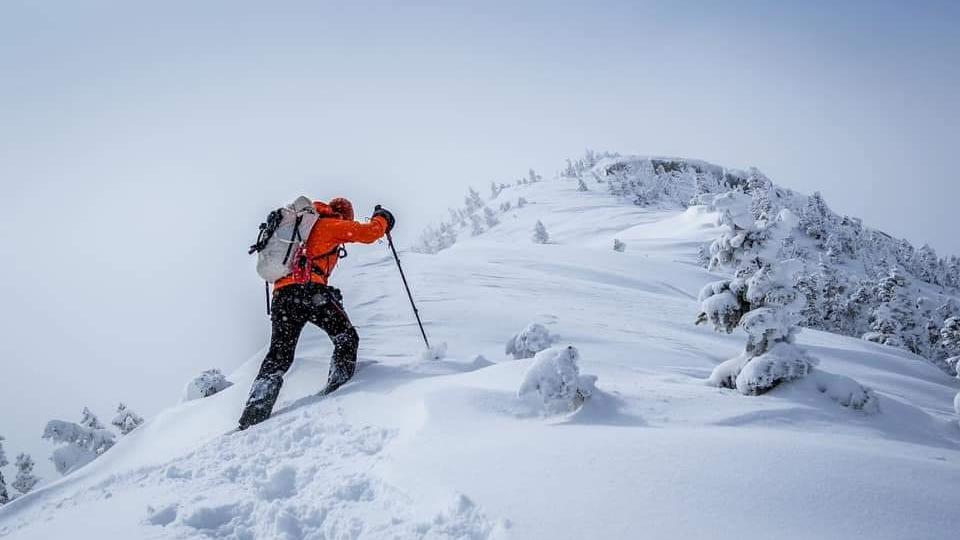
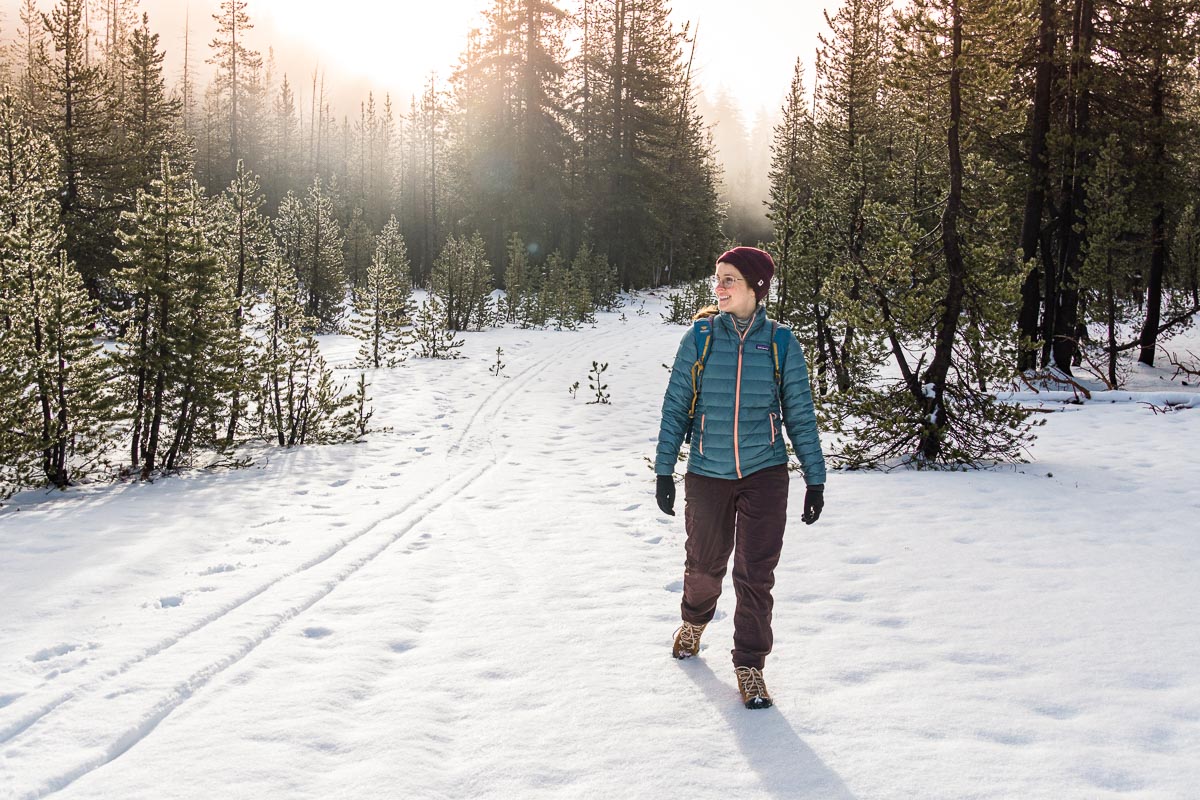
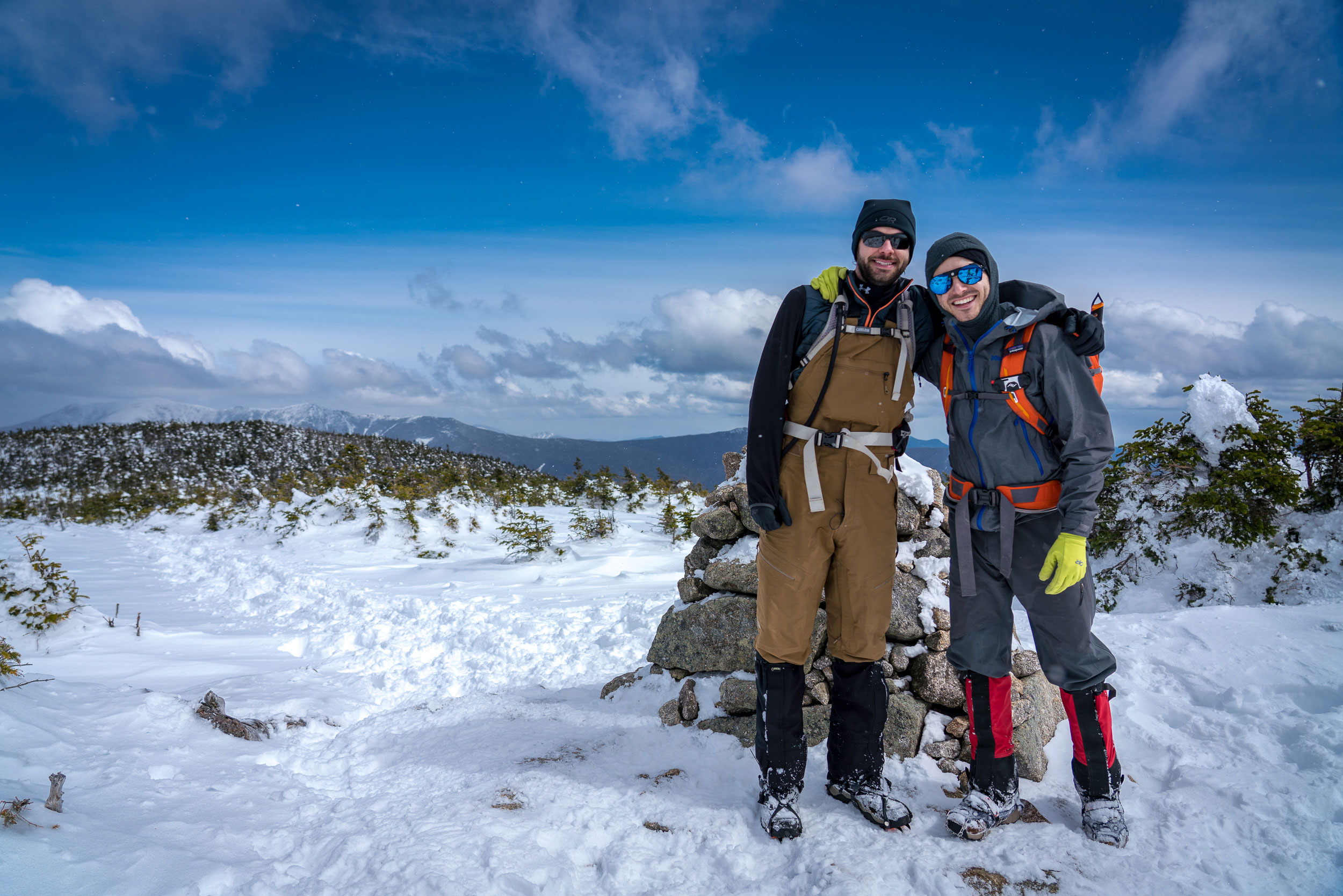
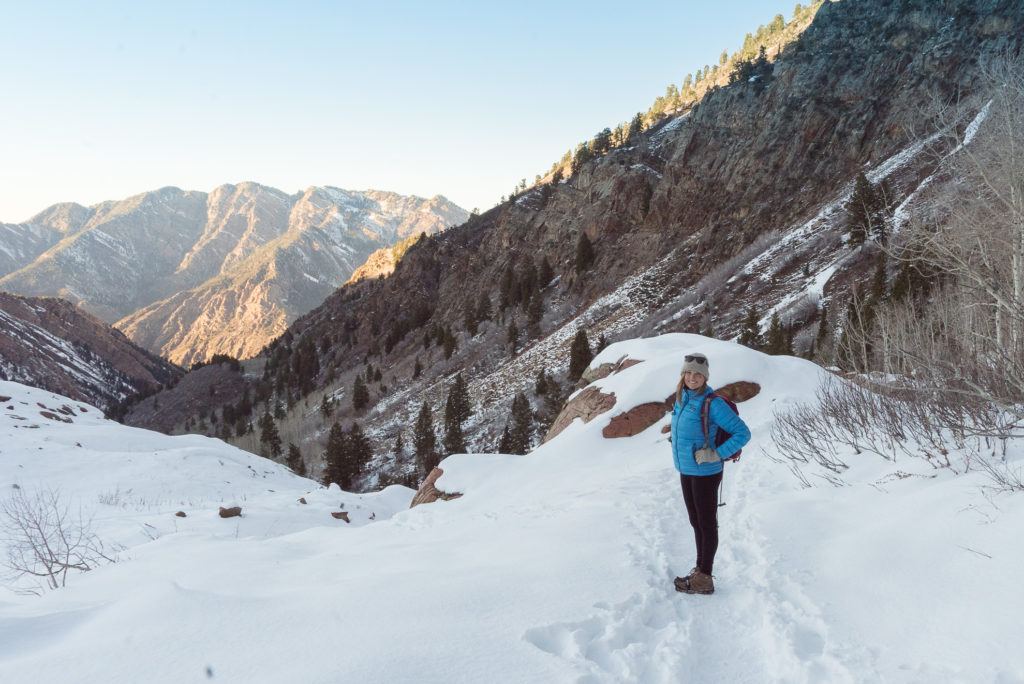
As the snowflakes start to fall and the temperatures drop, many people might think that hiking is a summer-only activity. But for those who love the great outdoors, winter hiking can be a magical experience like no other. Imagine walking through a forest blanketed in snow, the only sound being the crunch of your boots on the frozen ground. It's like walking through a
winter wonderland, with snow-covered trees and frozen lakes creating a breathtakingly beautiful landscape.
One of the biggest advantages of winter hiking is that you're likely to have the trails all to yourself. No crowds, no noise, just the peace and quiet of the winter wilderness. And if you're lucky, you might even spot some wildlife that's more commonly seen in the winter months, such as deer or snowshoe hares. Just be sure to bring your binoculars to get a closer look!
Getting Started
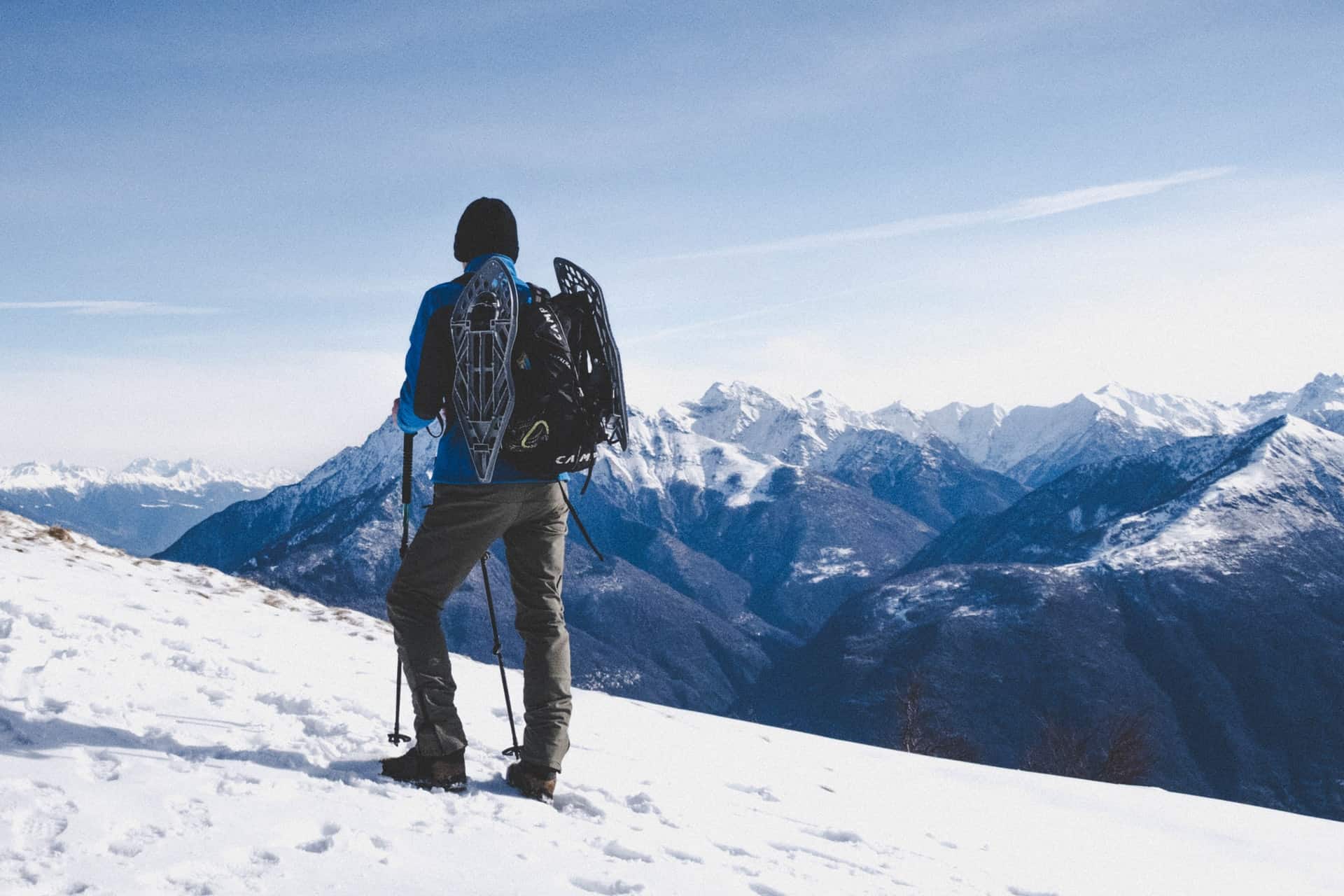
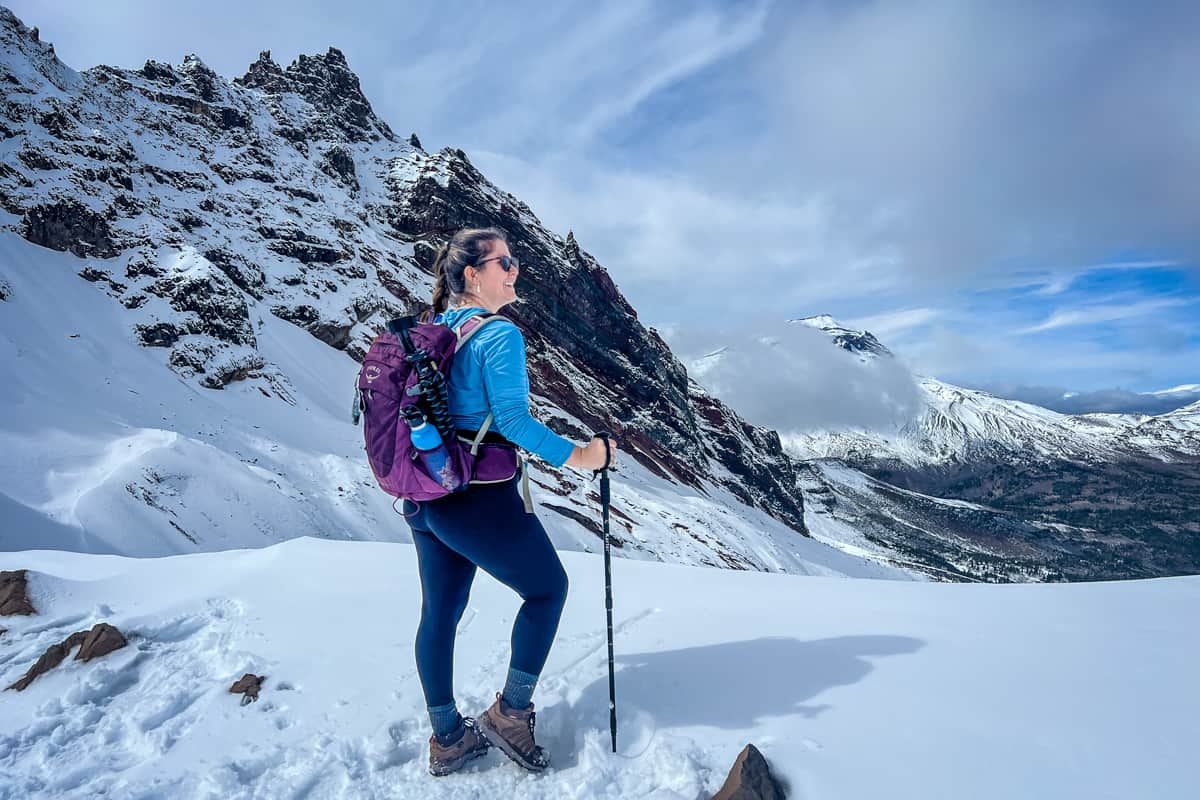
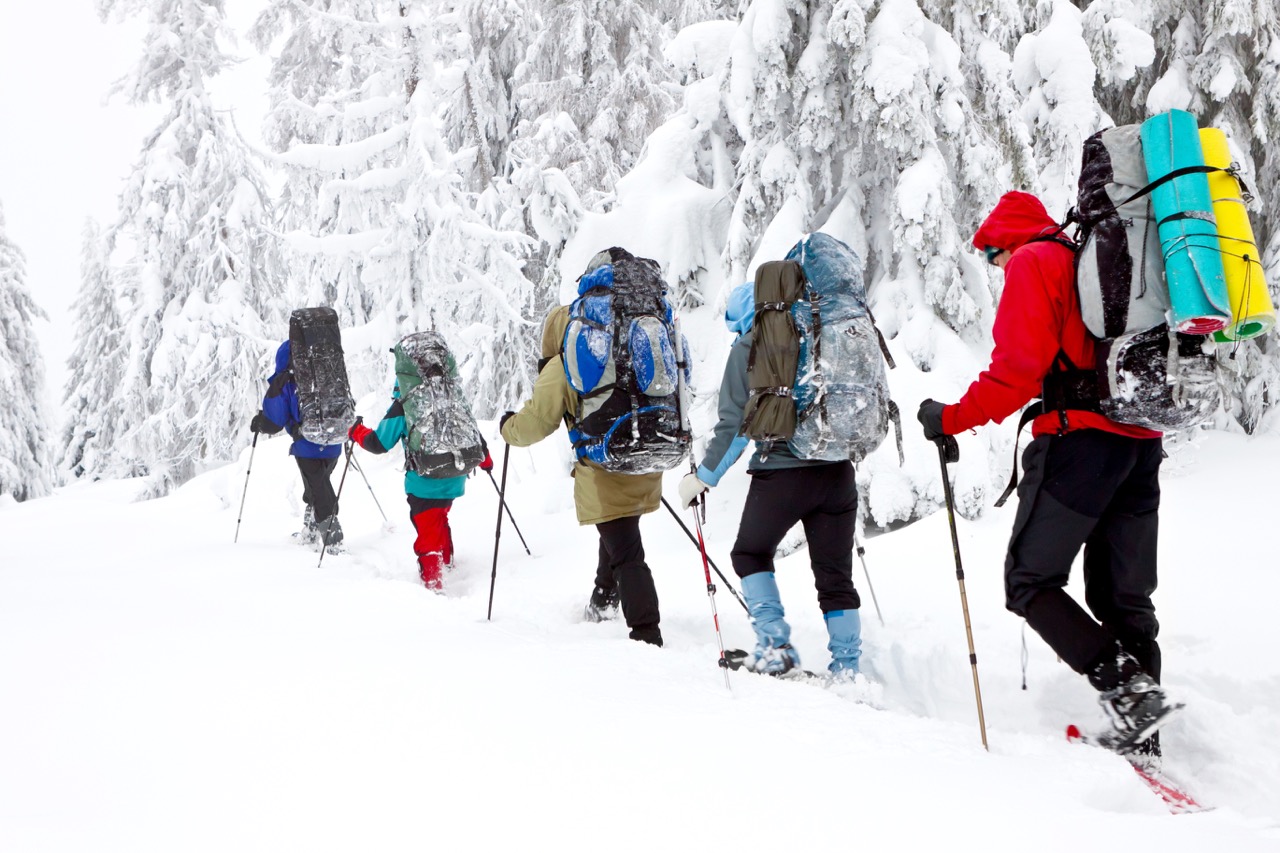
If you're new to winter hiking, it's essential to be prepared. That means dressing in layers, with a base layer to keep you warm, a mid-layer for insulation, and a waterproof jacket to keep you dry. Don't forget to bring warm socks and a hat to keep your head and toes cozy. And of course, a pair of sturdy hiking boots with good traction is a must for navigating icy trails.
Must Read
- A Quiet Escape In The Suburbs: Visiting Union Pond Conservation Area
- Conquer Manitoulin’s Best View: Cup And Saucer Trail Parking & Trailhead Guide
- 140 Kilometers Of Adventure: Biking The Greater Niagara Circle Route
- Scenic Routes For Every Fitness Level: The Best Walking Trails Niagara Falls Offers
- Eksplorasi The Highest Point Of The Escarpment: Pretty River Provincial Park
But winter hiking isn't just about the gear – it's also about being prepared for the conditions. That means checking the weather forecast before you head out, and being aware of any potential avalanche risks. It's also a good idea to let someone know your hiking plan, including where you're going and when you expect to be back. And don't forget to bring a map and compass, as well as a first aid kit, just in case.
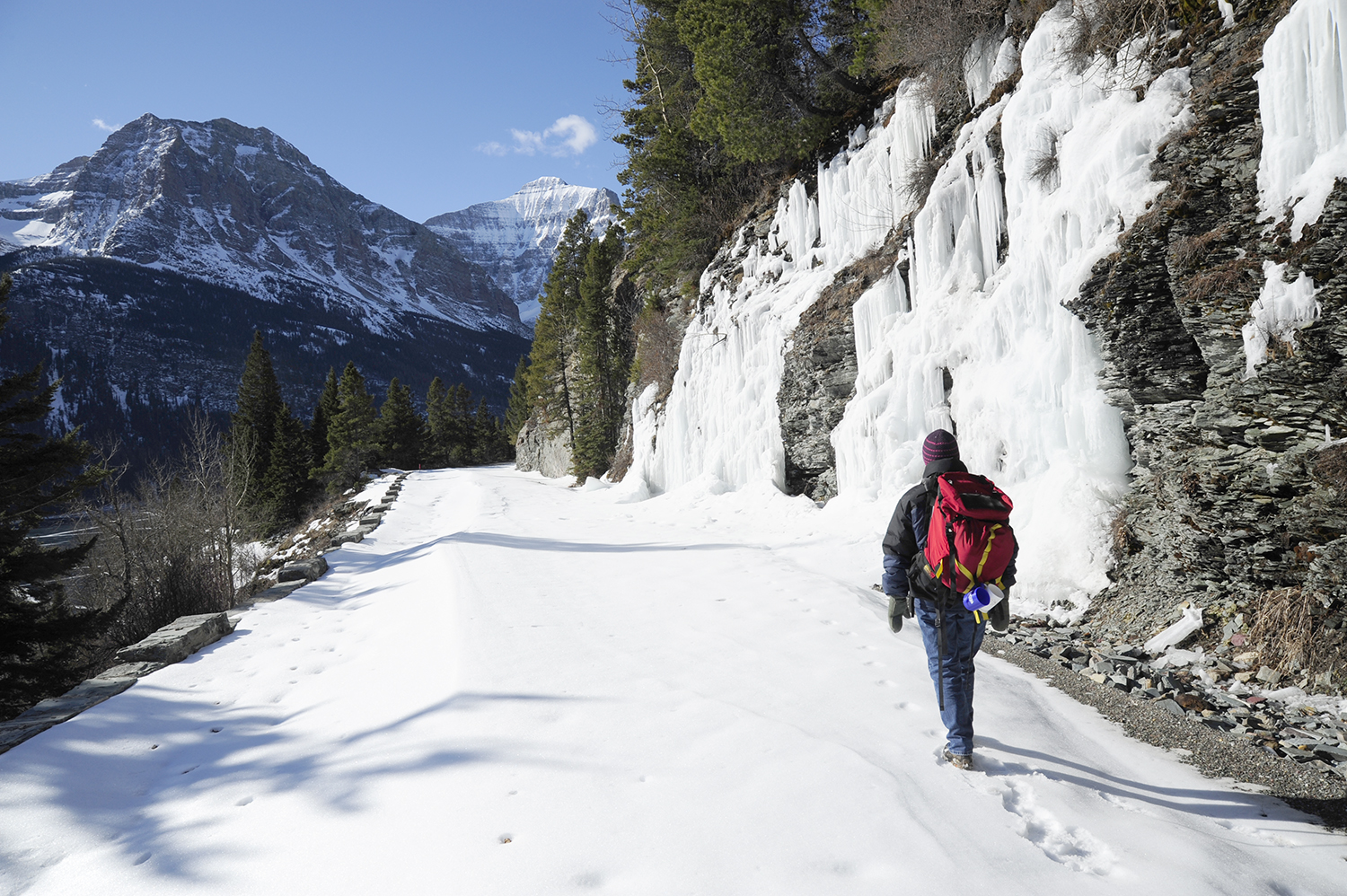
Despite the potential challenges, winter hiking can be a life-changing experience. There's something about breathing in the cold air, feeling the snowflakes on your face, and seeing the world in a whole new way that's truly exhilarating. As
John Muironce said, "In every walk with nature, one receives far more than he seeks." And that's especially true in the winter, when the world is at its most peaceful and serene.
The Rewards of Winter Hiking
So what are the rewards of winter hiking? For one thing, it's a great workout, with the added challenge of navigating snowy and icy trails. It's also a chance to see the world in a whole new way, with the snow and ice creating a breathtakingly beautiful landscape. And then there's the sense of accomplishment that comes with completing a challenging winter hike – it's a feeling that's hard to beat.
Of course, no discussion of winter hiking would be complete without mentioning the hot chocolate that awaits you at the end of your hike. There's something about sipping a warm, rich cup of cocoa after a long day on the trails that's absolute bliss. And if you're feeling really adventurous, you could even try making some hot chocolate on the trail, using a portable stove and some milk and cocoa powder.
In conclusion, winter hiking is an experience that's not to be missed. Whether you're a seasoned hiker or just looking for a new adventure, the winter wilderness has something to offer everyone. So why not grab your hiking boots and get out there and start exploring? You never know what wonders you might discover.