Forestry Guide: How To Identify The Most Common Types Of Trees In Ontario

As we wander through the lush forests of Ontario, it's easy to get lost in the sea of green and forget that each tree has its own unique story to tell. From the majestic oaks that have stood tall for centuries to the resilient pines that can thrive in even the most inhospitable environments, every species of tree has its own distinct characteristics and quirks. But have you ever stopped to think about how these trees got here, and what they mean to the ecosystem and our culture as a whole? The history of forestry in Ontario is a rich and fascinating one, filled with dark secrets and unexpected surprises.
One of the most interesting aspects of forestry in Ontario is the way that it has been shaped by human activity over the centuries. From the indigenous communities that first inhabited the region to the European settlers who cleared the land for agriculture and urban development, every group has left its mark on the forest landscape. Today, forestry is a major industry in Ontario, with millions of hectares of forest land being harvested and replanted every year. But despite its importance to the economy, forestry is also a deeply cultural and spiritual practice, one that connects us to the natural world and to our own sense of identity and community.
So why does it matter that we can identify the different types of trees in Ontario? For one thing, it's a matter of conservation and sustainability. By understanding which species are most at risk and how to protect them, we can work to preserve the health and diversity of the forest ecosystem. It's also a matter of personal connection and appreciation, allowing us to deepen our relationship with the natural world and to appreciate the beauty and complexity of the trees that surround us. Whether you're a nature lover, a hiker, or simply someone who appreciates the beauty of the forest, being able to identify the different types of trees in Ontario is a valuable skill that can enrich your life and broaden your perspective.
Must Read
- A Quiet Escape In The Suburbs: Visiting Union Pond Conservation Area
- Conquer Manitoulin’s Best View: Cup And Saucer Trail Parking & Trailhead Guide
- 140 Kilometers Of Adventure: Biking The Greater Niagara Circle Route
- Scenic Routes For Every Fitness Level: The Best Walking Trails Niagara Falls Offers
- Eksplorasi The Highest Point Of The Escarpment: Pretty River Provincial Park
The World of Trees
One of the most fascinating things about trees is the way that they can be used to tell stories about the past. By studying the growth rings of a tree, for example, scientists can learn about the climate and weather patterns of previous centuries. This is because trees are incredibly resilient, able to withstand even the most extreme conditions and to adapt to changing environments over time. They are also deeply connected to the world around them, providing habitat and sustenance for countless species of plants and animals.
But trees are not just passive observers of the natural world - they are also active participants, playing a critical role in the ecosystem and shaping the environment in profound ways. By providing shade and shelter, for example, trees can help to regulate the climate and to protect other species from extreme weather conditions. They can also help to filter and purify the air and water, making the environment healthier and more sustainable for all living things.
Despite their importance, however, trees are often underappreciated and overlooked. We tend to take them for granted, assuming that they will always be there to provide us with oxygen, food, and shelter. But the truth is that trees are facing numerous threats and challenges in the modern world, from deforestation and climate change to invasive species and human development. By learning more about the different types of trees in Ontario and the challenges they face, we can work to protect and preserve them for future generations.
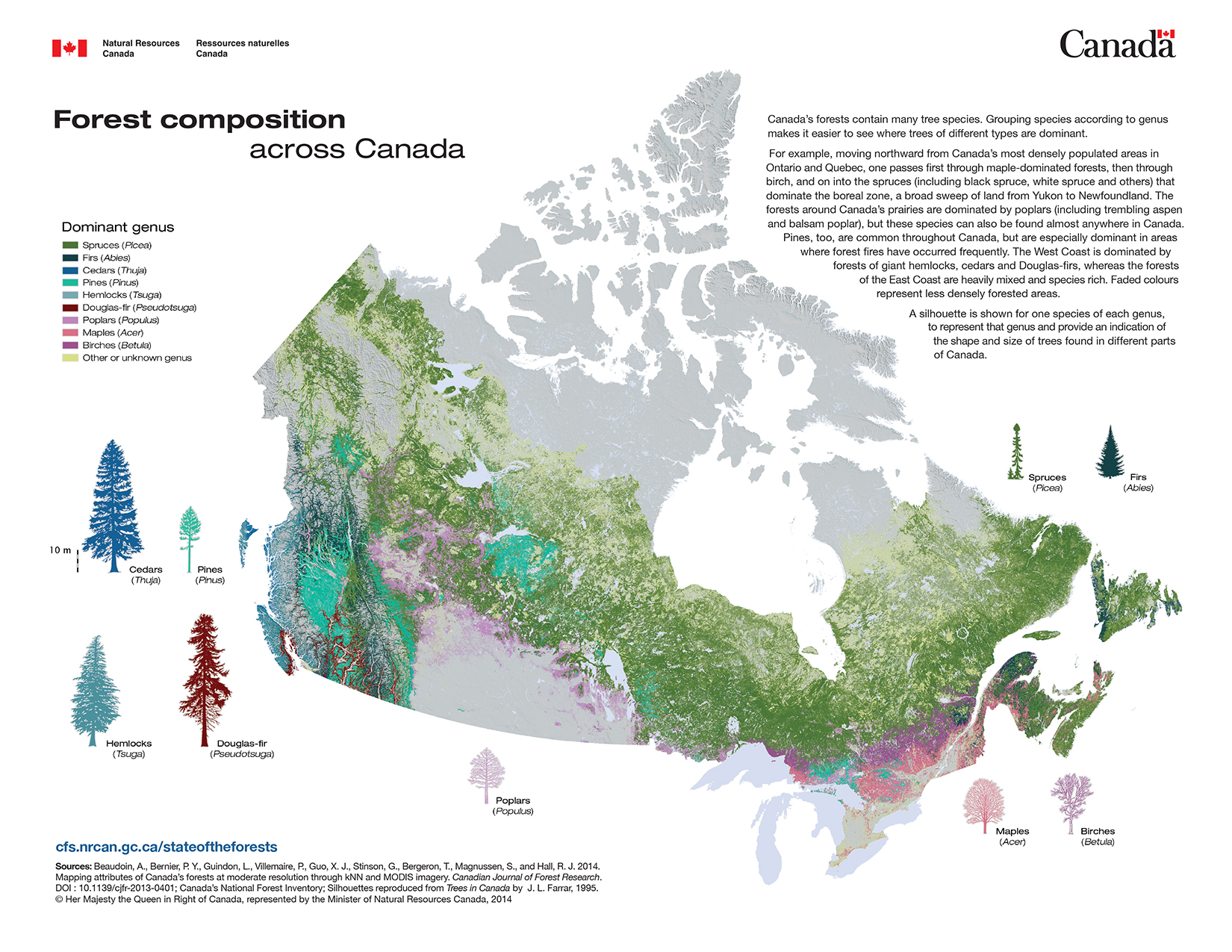
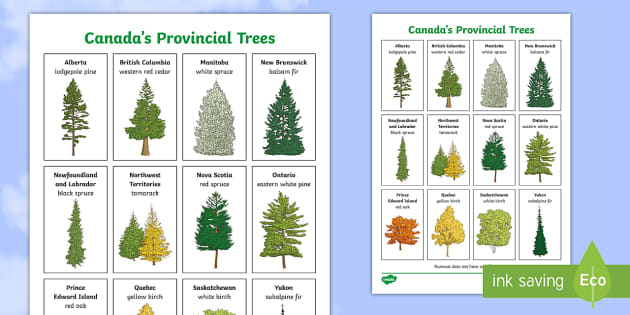
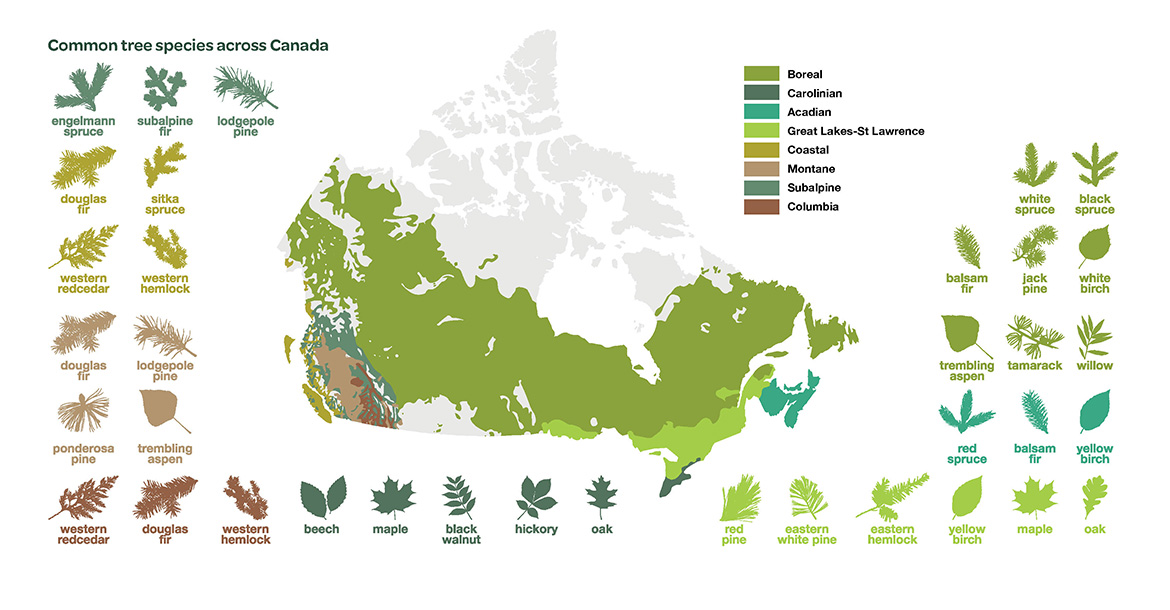
So what are some of the most common types of trees in Ontario? The answer to this question depends on the region and the time of year, but some of the most abundant and iconic species include the sugar maple, the eastern white pine, and the red oak. Each of these species has its own unique characteristics and features, from the broad leaves and colorful foliage of the sugar maple to the tall, straight trunk and soft needles of the eastern white pine.
Tree Identification 101
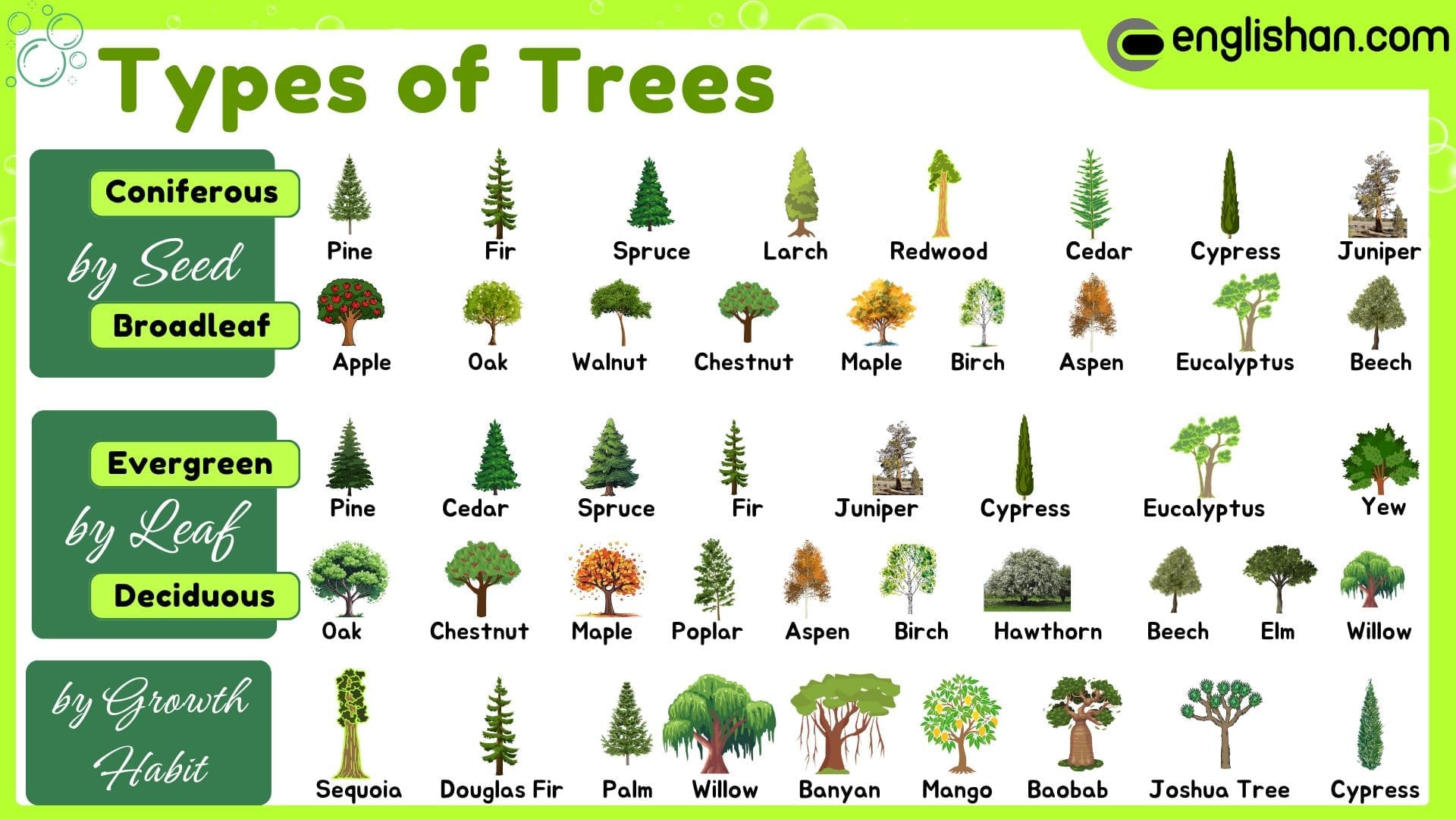
So how can you learn to identify the different types of trees in Ontario? One of the best ways is to start by observing and noticing the characteristics of the trees around you. Look for distinctive features such as the shape and color of the leaves, the texture and pattern of the bark, and the shape and size of the cones or fruit. You can also use field guides and identification keys to help you narrow down the options and make a positive identification.
Another great way to learn about tree identification is to get outside and start exploring. Take a hike through a nearby forest or park, and see how many different types of trees you can spot. You can also try planting and caring for your own trees, which can help you develop a deeper appreciation and understanding of these amazing organisms. Whether you're a beginner or an expert, there's always more to learn and discover about the world of trees.
Of course, tree identification is not just about recognizing and naming different species - it's also about understanding their habitat and ecology. By learning about the different types of trees in Ontario and the environments they thrive in, you can gain a deeper appreciation for the complexity and diversity of the natural world. You can also start to see the connections and relationships between different species and ecosystems, and to understand the critical role that trees play in maintaining the health and balance of the environment.
As you delve deeper into the world of tree identification, you may also start to notice the cultural and historical significance of trees in Ontario. From the indigenous communities that have lived in harmony with the forest for centuries to the European settlers who cleared the land for agriculture and urban development, trees have played a critical role in shaping the history and identity of the region. By learning more about the different types of trees in Ontario and their cultural significance, you can gain a deeper appreciation for the complex and multifaceted nature of the forest ecosystem.
Putting it all Together
So how can you put your newfound knowledge of tree identification to use in your everyday life? One of the best ways is to start small and focus on your own backyard. Take a closer look at the trees that are growing in your neighborhood or community, and see if you can identify the different species. You can also try planting and caring for your own trees, which can help you develop a deeper appreciation and understanding of these amazing organisms.
Another great way to put your knowledge of tree identification to use is to get involved in local conservation efforts. Many communities in Ontario have tree planting initiatives and forest restoration projects that rely on volunteers to help plant and care for new trees. By getting involved in these efforts, you can help to make a positive impact on the environment and to preserve the health and diversity of the forest ecosystem. You can also connect with others who share your passion for trees and the natural world, and to build a stronger sense of community and connection to the land.
As you become more confident in your ability to identify the different types of trees in Ontario, you may also start to notice the economic and social benefits of forestry. From the jobs and income generated by the forestry industry to the recreation and tourism opportunities provided by the forest, trees play a critical role in supporting local economies and communities. By learning more about the different types of trees in Ontario and the role they play in the economy and society, you can gain a deeper appreciation for the complex and multifaceted nature of the forest ecosystem.
Finally, you can also use your knowledge of tree identification to inspire others and make a positive impact on the world around you. Whether you're a teacher, a parent, or simply a passionate individual, you can use your knowledge of trees to educate and inspire others about the importance of conservation and sustainability. You can also share your knowledge and collaborate with others to develop new initiatives and projects that promote the health and diversity of the forest ecosystem.
Frequently Asked Questions
What are some of the most common types of trees in Ontario?
The most common types of trees in Ontario include the sugar maple, the eastern white pine, and the red oak. These species are widely distributed throughout the province and can be found in a variety of habitats, from forests and woodlands to urban parks and backyards. Each of these species has its own unique characteristics and features, from the broad leaves and colorful foliage of the sugar maple to the tall, straight trunk and soft needles of the eastern white pine.
One of the best ways to learn about the different types of trees in Ontario is to get outside and start exploring. Take a hike through a nearby forest or park, and see how many different types of trees you can spot. You can also use field guides and identification keys to help you narrow down the options and make a positive identification. Whether you're a beginner or an expert, there's always more to learn and discover about the world of trees.
How can I learn to identify the different types of trees in Ontario?
One of the best ways to learn to identify the different types of trees in Ontario is to start by observing and noticing the characteristics of the trees around you. Look for distinctive features such as the shape and color of the leaves, the texture and pattern of the bark, and the shape and size of the cones or fruit. You can also use field guides and identification keys to help you narrow down the options and make a positive identification.
Another great way to learn about tree identification is to get involved in local conservation efforts. Many communities in Ontario have tree planting initiatives and forest restoration projects that rely on volunteers to help plant and care for new trees. By getting involved in these efforts, you can help to make a positive impact on the environment and to preserve the health and diversity of the forest ecosystem. You can also connect with others who share your passion for trees and the natural world, and to build a stronger sense of community and connection to the land.

Why is it important to learn about the different types of trees in Ontario?
Learning about the different types of trees in Ontario is important for a variety of reasons. For one thing, it can help you to appreciate and respect the natural world, and to understand the critical role that trees play in maintaining the health and balance of the environment. It can also help you to identify and protect the different species of trees that are found in Ontario, many of which are facing numerous threats and challenges in the modern world.
By learning about the different types of trees in Ontario, you can also gain a deeper understanding of the cultural and historical significance of trees in the region. From the indigenous communities that have lived in harmony with the forest for centuries to the European settlers who cleared the land for agriculture and urban development, trees have played a critical role in shaping the history and identity of the region. Whether you're a nature lover, a hiker, or simply someone who appreciates the beauty and complexity of the forest ecosystem, learning about the different types of trees in Ontario is a valuable and rewarding pursuit.
As we reflect on the importance of learning about the different types of trees in Ontario, it's clear that this is a topic that connects to our daily lives and human nature in profound ways. From the oxygen and food that trees provide to the shelter and habitat they offer for countless species of plants and animals, trees play a critical role in maintaining the health and balance of the environment. By learning more about the different types of trees in Ontario and the challenges they face, we can work to protect and preserve them for future generations.
One of the most interesting things about trees is the way that they can be used to tell stories about the past. By studying the growth rings of a tree, for example, scientists can learn about the climate and weather patterns of previous centuries. This is because trees are incredibly resilient, able to withstand even the most extreme conditions and to adapt to changing environments over time. They are also deeply connected to the world around them, providing habitat and sustenance for countless species of plants and animals.
As we look to the future and consider the role that trees will play in our lives and our environment, it's clear that learning about the different types of trees in Ontario is a valuable and rewarding pursuit. Whether you're a nature lover, a hiker, or simply someone who appreciates the beauty and complexity of the forest ecosystem, there's always more to learn and discover about the world of trees. By getting outside and starting to explore, you can begin to appreciate the importance of trees and the critical role they play in maintaining the health and balance of the environment. You can also connect with others who share your passion for trees and the natural world, and to build a stronger sense of community and connection to the land.

:max_bytes(150000):strip_icc()/guide-to-common-oak-trees-of-north-america-1343226-final-5299da5020f349f0ac7cf6616bab2b7d.png)
:max_bytes(150000):strip_icc()/identification-of-the-most-common-hardwoods-1341843_FINAL-f8ab5f0119c947c1a4fac6f1add8dd60.png)
:max_bytes(150000):strip_icc()/ten-most-common-trees-united-states-3971258copy-0cf42a5658ce46b6944111831154ef10.jpg)

:max_bytes(150000):strip_icc()/common-north-american-hardwood-trees-1343221_FINAL-c008029c834c40f2b405ce548983296c.png)