Fall Colors And Forest Canopies: A Guide To The Deciduous Trees Of Ontario
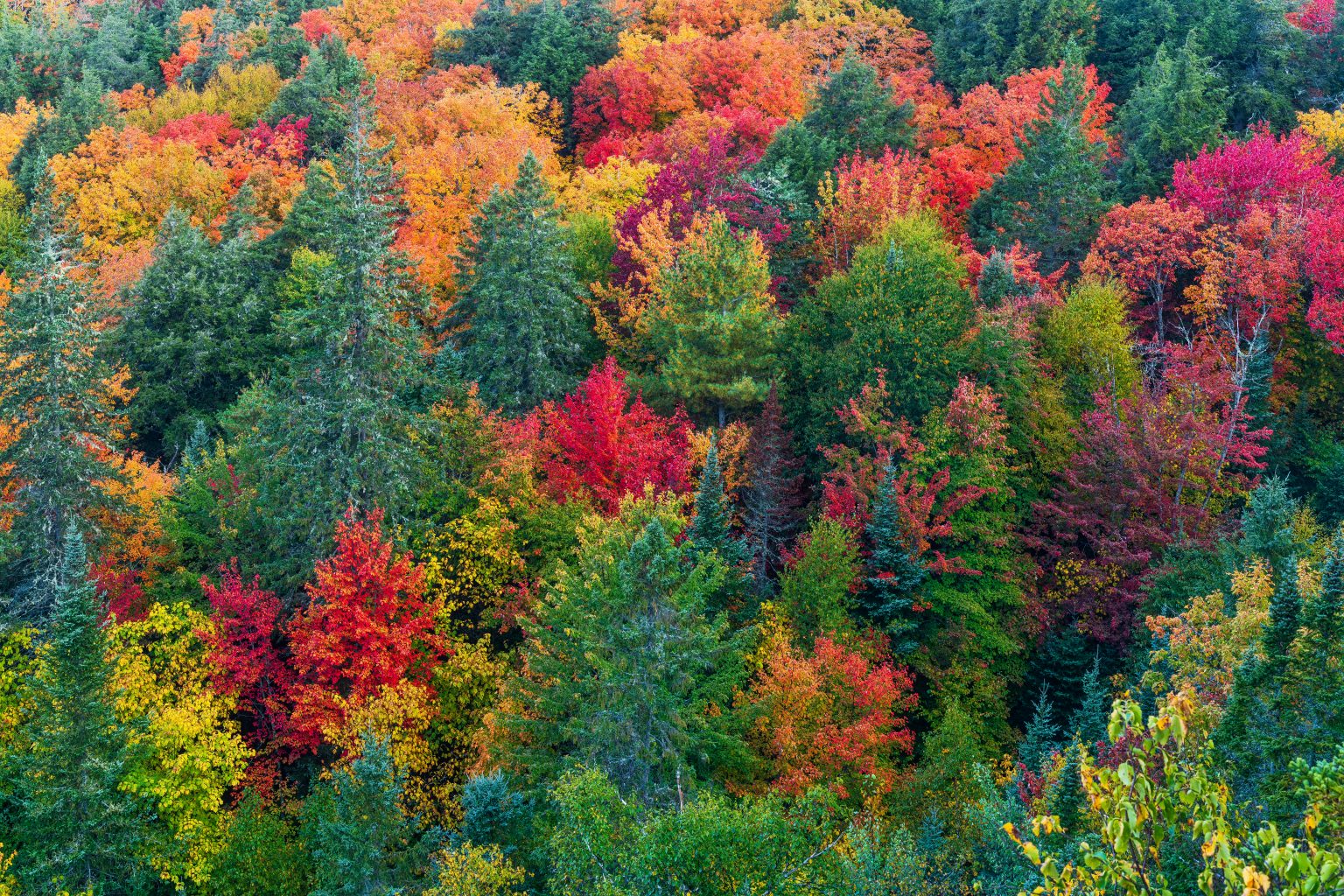
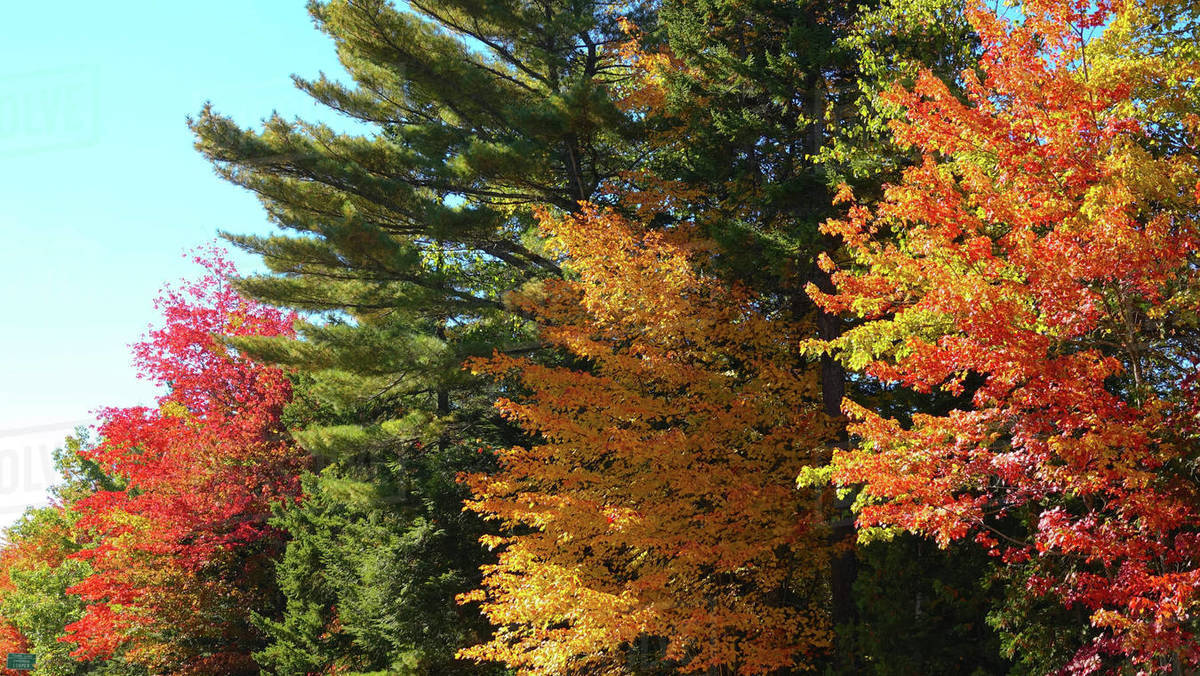
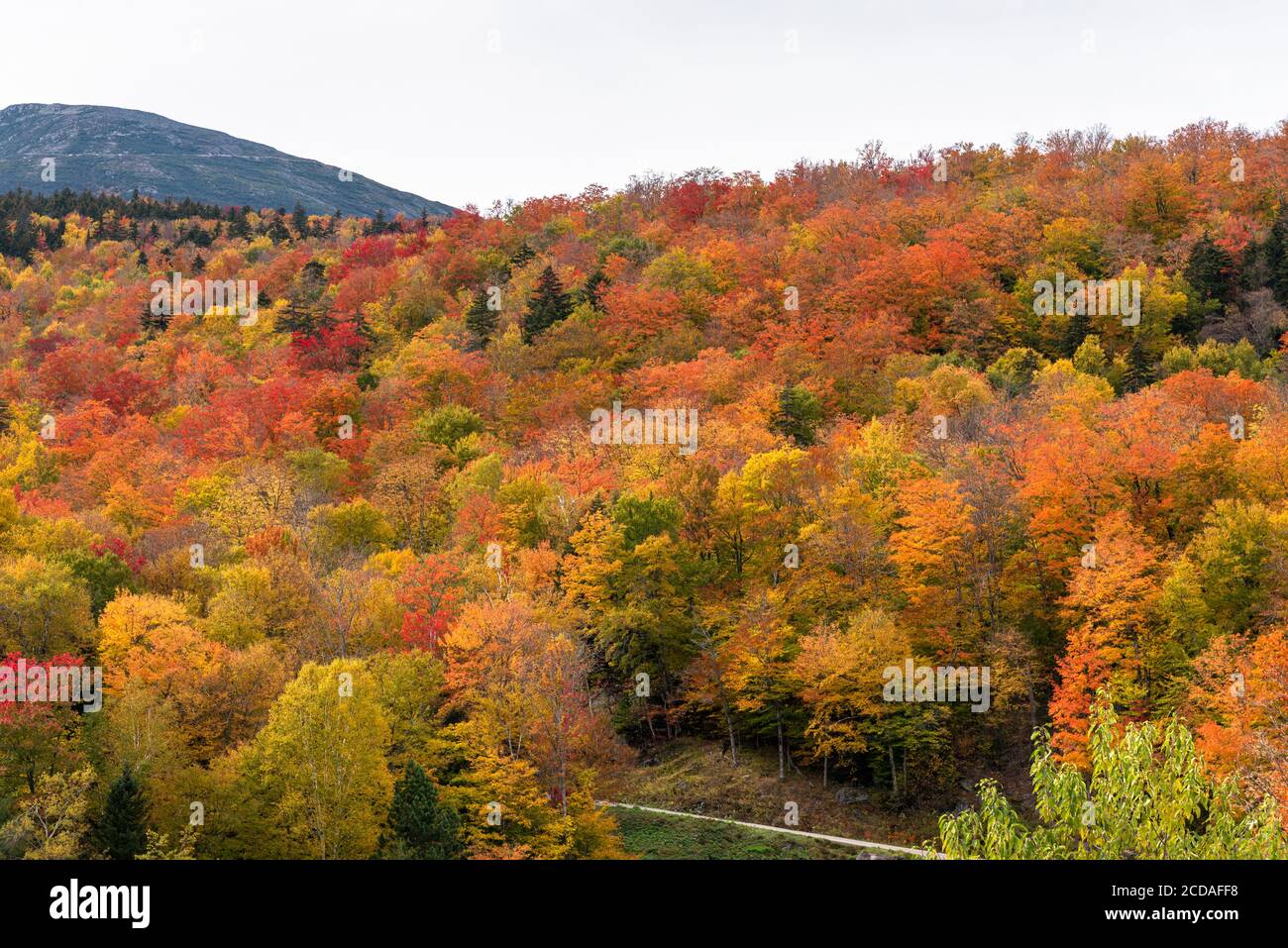
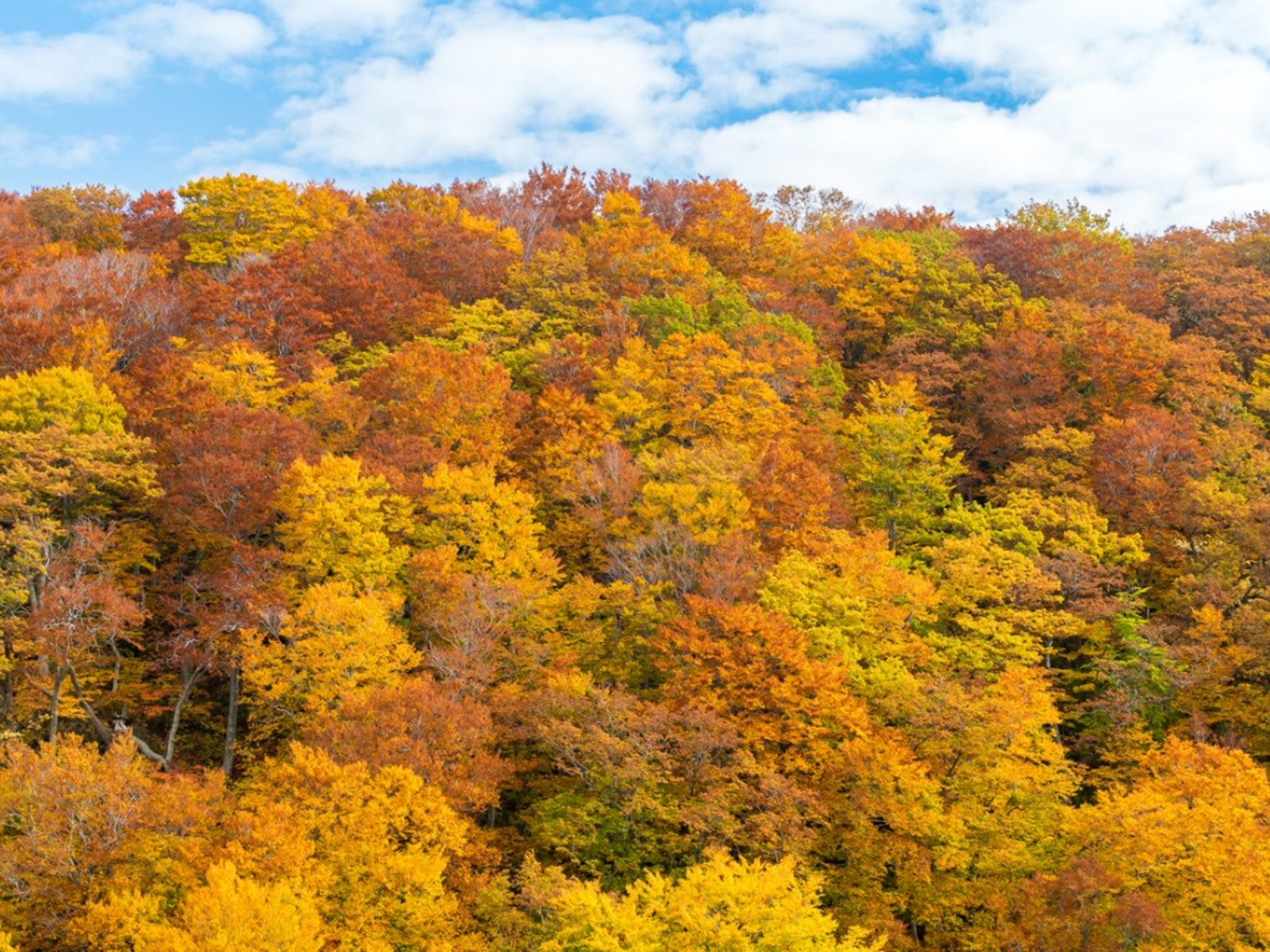
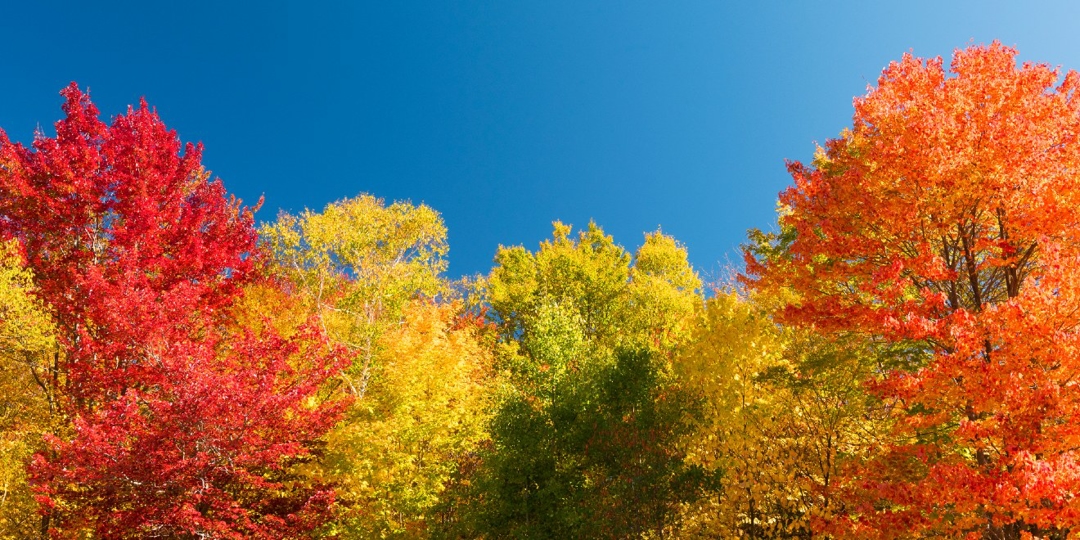
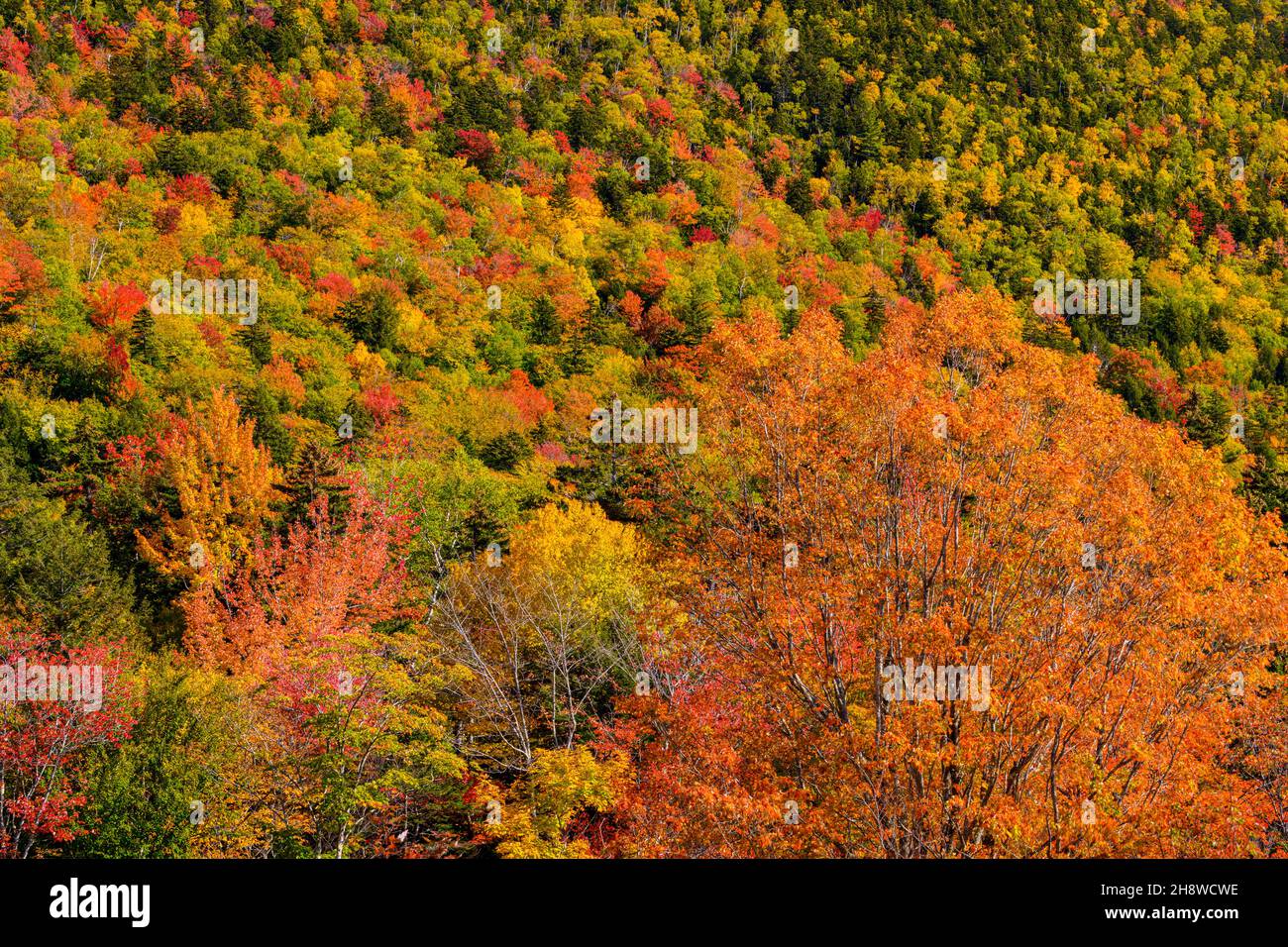
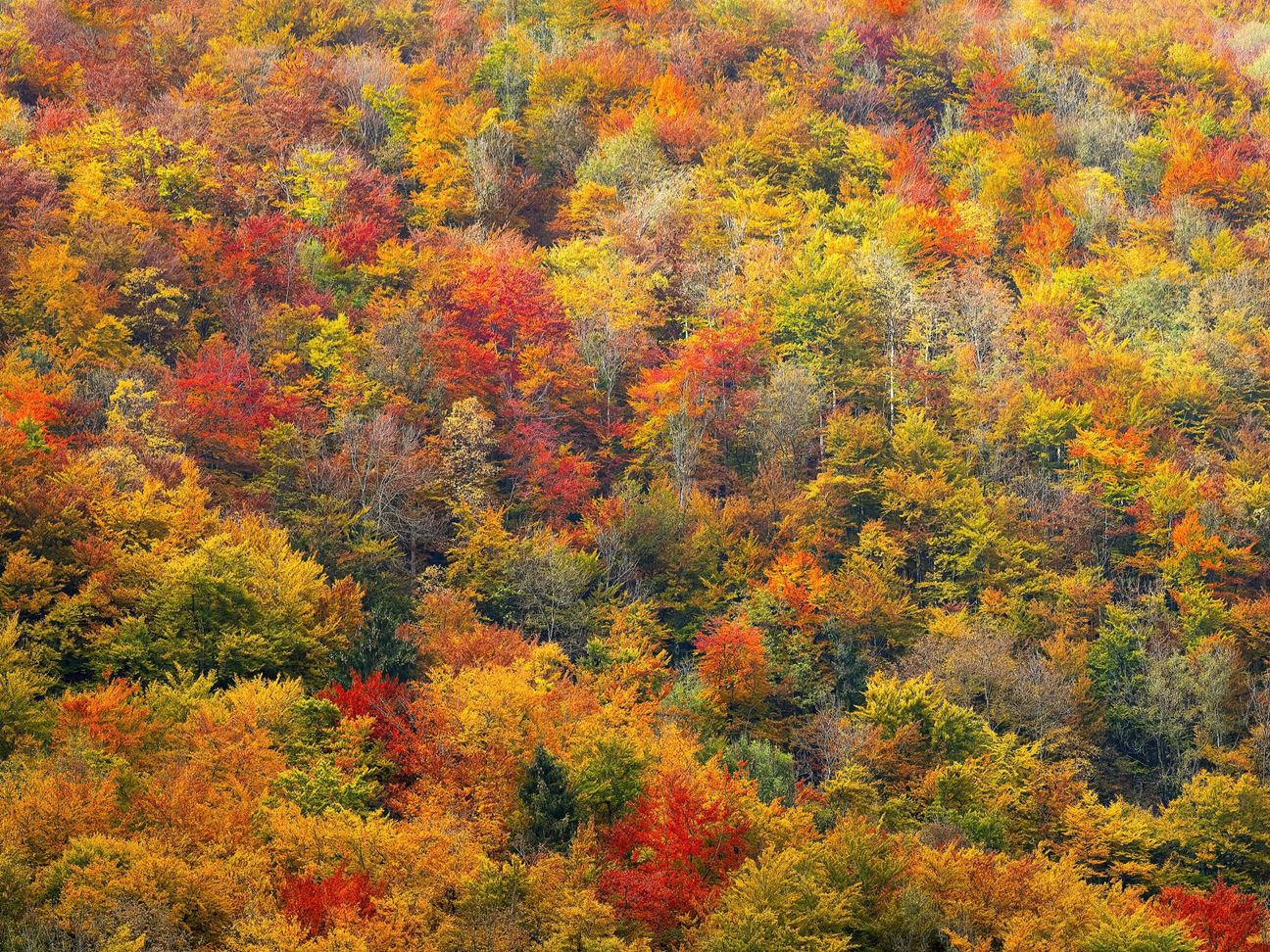
I still remember the first time I witnessed the breathtaking fall colors of Ontario. I was on a hike with friends, and as we climbed to the top of a hill, the forest canopy unfolded before us like a kaleidoscope of warm, golden hues. The deciduous trees, ablaze with shades of orange, red, and yellow, seemed to stretch on forever. We stood there in awestruck silence, taking in the natural beauty of it all. And, let's be honest, snapping plenty of photos to make our friends back home jealous!
As we explored the forest, I couldn't help but wonder about the science behind this phenomenon. What makes deciduous trees change color, and why do they shed their leaves in the first place? It turns out, the reason lies in the trees' clever adaptation to the changing seasons. During the growing season, trees produce chlorophyll, a green pigment that helps them absorb sunlight and undergo photosynthesis. As the days get shorter and the weather cools down, the trees prepare for the dormant season by slowing down their food-making processes and storing energy in their roots, stems, and branches.
The Magic of Fall Colors
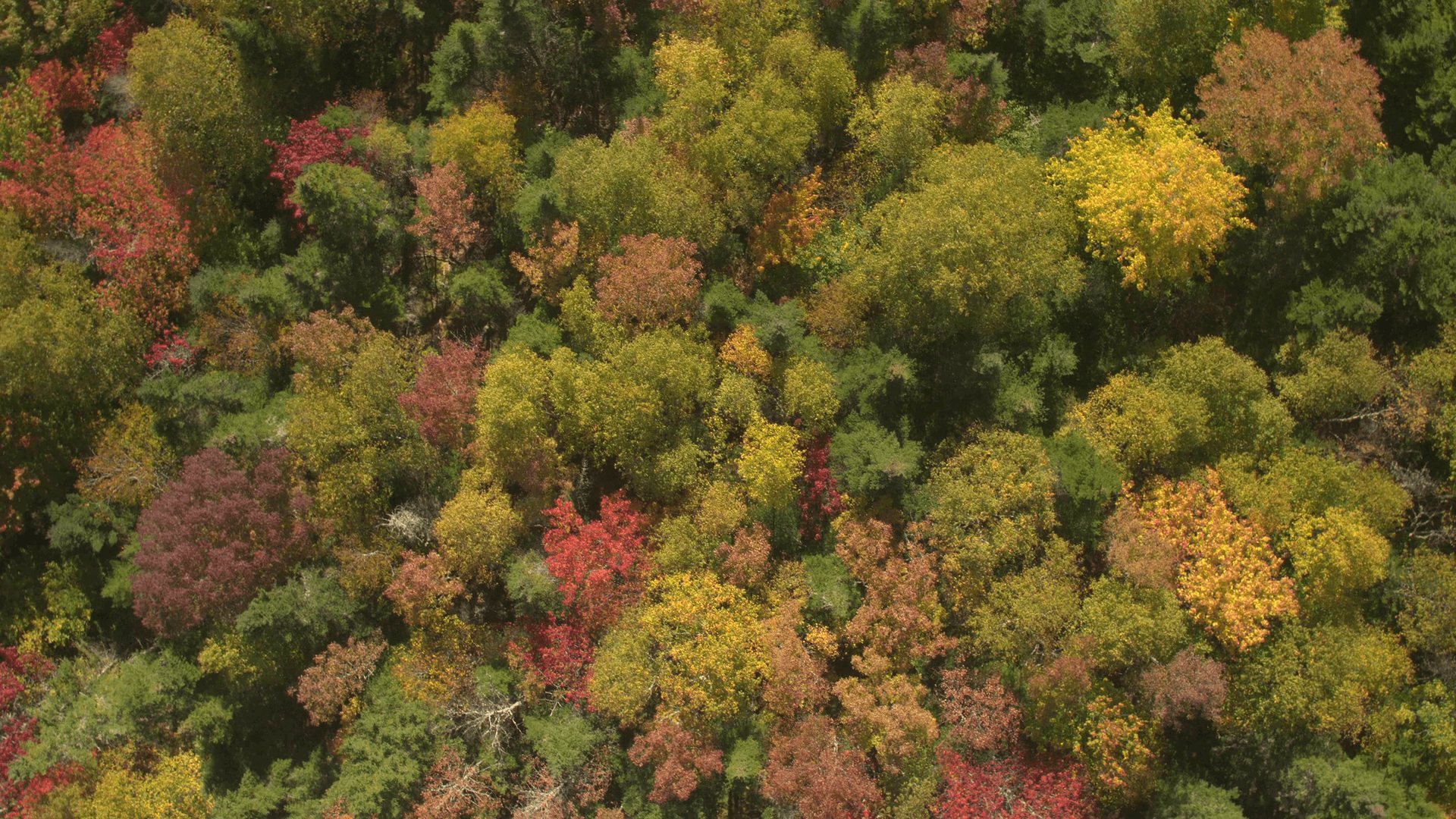
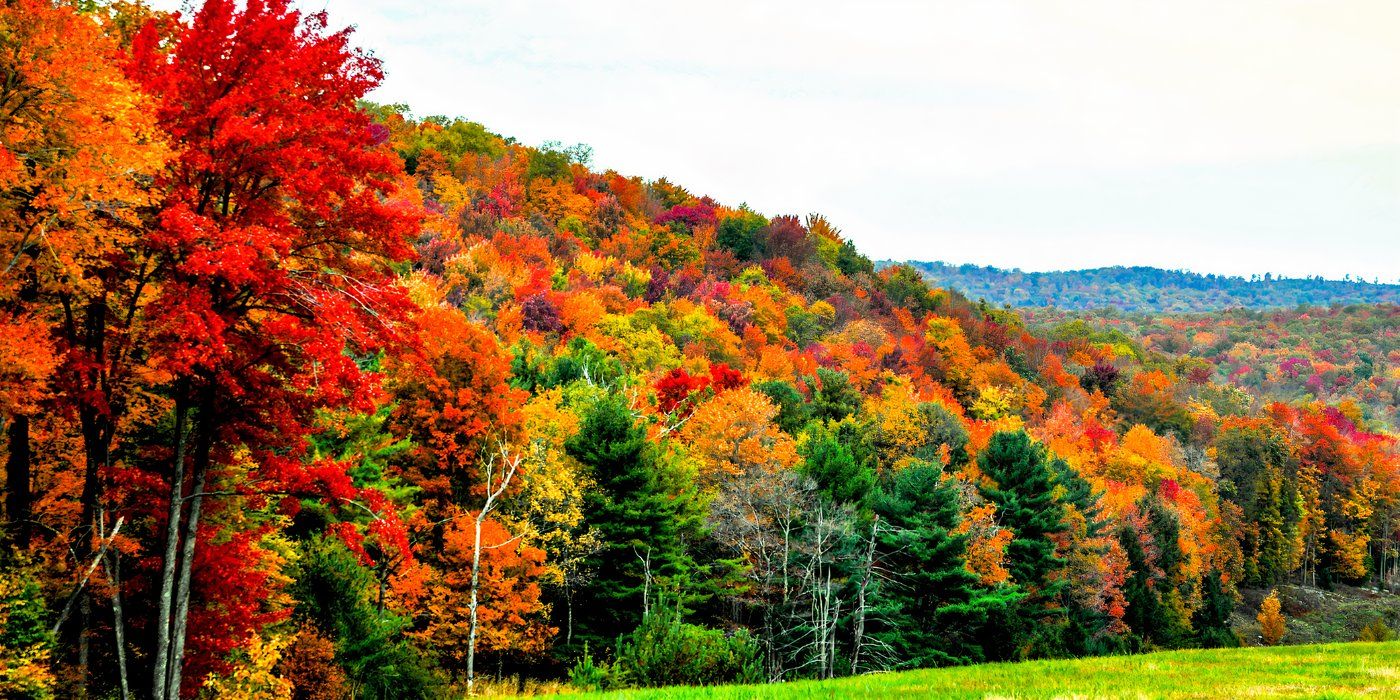
As the chlorophyll breaks down, the hidden pigments of carotenoids and anthocyanins become visible, painting the landscape with brilliant shades of yellow, orange, and red. It's like nature's own light show, and Ontario's forest canopies are the perfect stage for this spectacle. But, have you ever noticed how some years the fall colors seem more vibrant than others? That's because the intensity of the colors depends on factors like temperature, moisture, and soil quality.
Must Read
- A Quiet Escape In The Suburbs: Visiting Union Pond Conservation Area
- Conquer Manitoulin’s Best View: Cup And Saucer Trail Parking & Trailhead Guide
- 140 Kilometers Of Adventure: Biking The Greater Niagara Circle Route
- Scenic Routes For Every Fitness Level: The Best Walking Trails Niagara Falls Offers
- Eksplorasi The Highest Point Of The Escarpment: Pretty River Provincial Park
Getting to Know the Deciduous Trees of Ontario
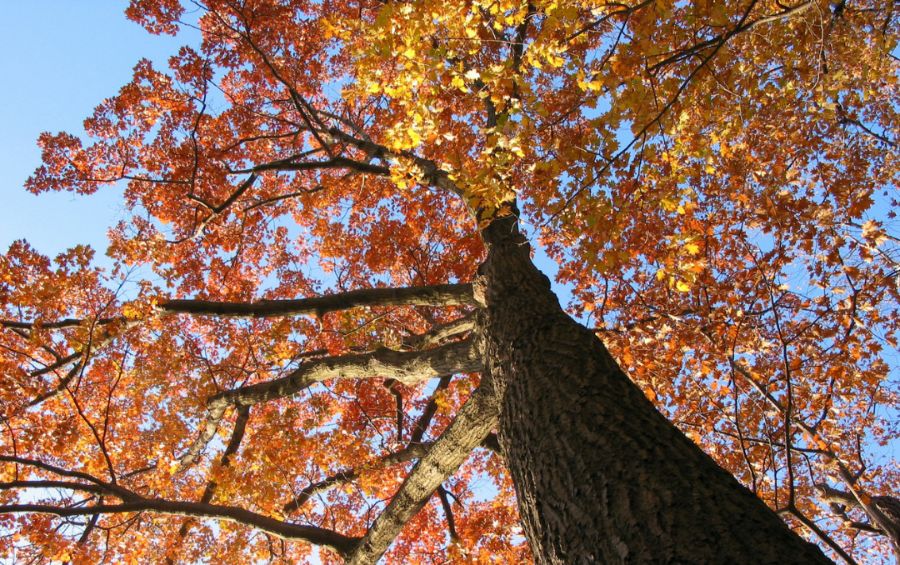
Ontario is home to a diverse range of deciduous trees, each with its unique characteristics and fall color palette. The sugar maple (Acer saccharum) is a classic example, with its bright orange and red hues. The red maple (Acer rubrum) is another popular species, known for its early fall color display. And then there's the oak tree (Quercus spp.), which turns a deep reddish-brown as the seasons change. I mean, who doesn't love a good oak tree, right?
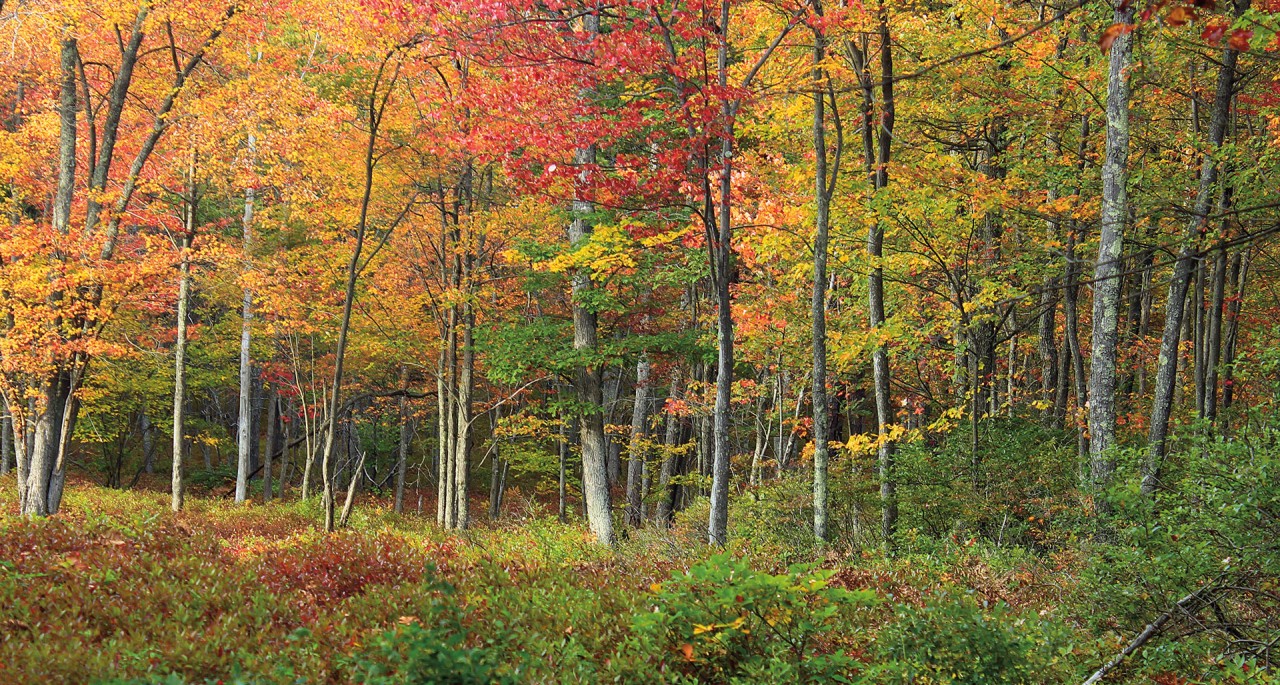
As you explore the forests of Ontario, keep an eye out for these and other deciduous tree species. The birch tree (Betula spp.), with its white, papery bark, is a stunning sight against the backdrop of fall colors. And the beech tree (Fagus grandifolia), with its smooth, gray trunk, adds a touch of elegance to the forest landscape. You might even stumble upon some dead trees, which, believe it or not, play a crucial role in the ecosystem. They provide habitat for insects, birds, and other animals, and help to decompose organic matter.

Exploring the Forest Canopies of Ontario
So, where can you experience the breathtaking fall colors and forest canopies of Ontario? From the Niagara Escarpment to Algonquin Park, there are countless hiking trails, parks, and conservation areas to explore. Take a scenic drive along the Blue Mountains, or hike to the top of Collingwood for a panoramic view of the surrounding landscape. And, if you're feeling adventurous, try ziplining or tree-top trekking for a bird's-eye view of the forest canopy.
As you wander through the forests of Ontario, remember to appreciate the little things – the sound of leaves crunching beneath your feet, the smell of damp earth, and the warm glow of sunlight filtering through the trees. It's a truly immersive experience, and one that will leave you feeling connected to nature and the world around you. So, grab your hiking boots, and let's get exploring!

Tips and Tricks for Fall Color Enthusiasts
If you're planning a fall color road trip, be sure to check the fall color reports for the best viewing times and locations. And don't forget your camera, as the photo ops are endless! Consider visiting during the week, or early in the morning, to avoid the crowds. And, if you're feeling peckish, be sure to try some of the local fall treats, like apple cider and donuts. I mean, who doesn't love a good donut, right?
As the fall colors begin to fade, and the forest canopies take on a more somber tone, remember that there's still beauty to be found in the dormant season. The deciduous trees may be bare, but they're also at rest, recharging for another year of growth and fall color splendor. And who knows, you might just discover a new appreciation for the quiet beauty of the forest in winter. So, keep exploring, and stay curious – there's always more to discover in the wonderful world of fall colors and forest canopies!